






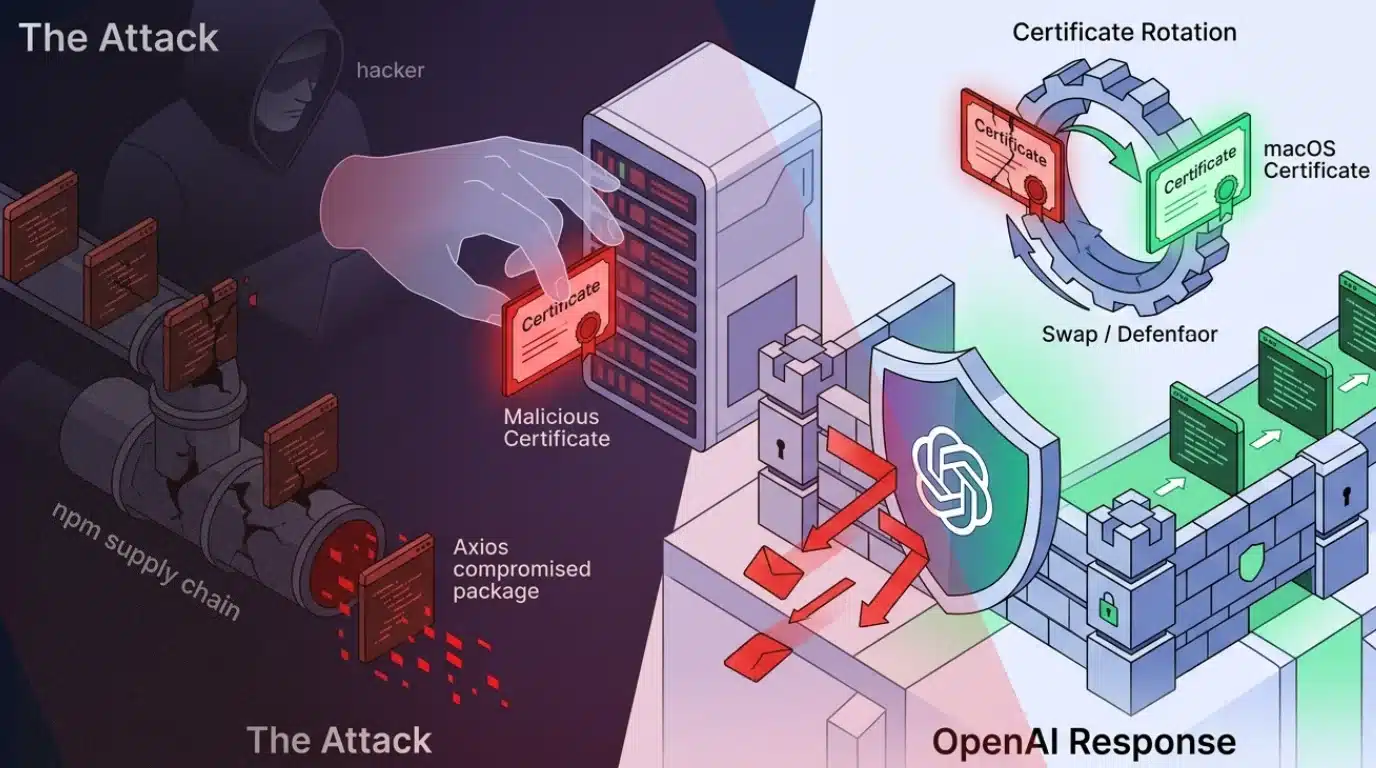

























Imagine this: You’ve built a magnificent castle, a fortress of security for your most prized possessions – financial records, personal data, confidential projects. But what if there’s a tiny, hidden crack in the wall, a vulnerability no one knew existed?
In the digital age, our castles are our computer systems, networks, and data. Attackers are constantly searching for these cracks in our digital defenses, waiting for the opportune moment to strike. In fact, the cost of cybersecurity is predicted to grow to $10.5 trillion by 2025! So, it’s very important to know what are vulnerabilities, what causes vulnerabilities, and how we can implement better vulnerability management.
What Are Vulnerabilities in Cybersecurity?

A vulnerability in cybersecurity refers to a weakness or flaw in a system, network, application, or even human behavior that attackers can leverage to compromise the security posture. These weaknesses can exist in hardware, software, configurations, or procedures. When exploited, vulnerabilities can allow attackers to:
- Gain unauthorized access: Hackers can exploit vulnerabilities to bypass security controls and gain access to sensitive systems or data.
- Install malware: Malicious software can be introduced into a system through vulnerabilities, allowing attackers to steal data, spy on activity, or launch further attacks.
- Disrupt operations: Denial-of-service (DoS) attacks can exploit vulnerabilities to overwhelm systems with traffic, rendering them unavailable to legitimate users.
- Escalate privileges: Attackers can exploit vulnerabilities to gain higher levels of access within a system, allowing them to move laterally and compromise more critical assets.
Vulnerabilities are not inherently dangerous, but they become a significant threat when they are discovered and exploited by malicious actors.
Types of Vulnerabilities
Cybersecurity vulnerabilities can be categorized into different types based on the underlying weakness:
- Software Vulnerabilities: These vulnerabilities reside within the code of applications or operating systems. They can arise from various factors, including:
- Programming Errors: Human mistakes during the development process can introduce vulnerabilities into the code. Examples include buffer overflows, where a program tries to write more data into a buffer than it can hold, and SQL injection, where malicious code is injected into database queries.
- Insecure Coding Practices: Coding practices that don’t prioritize security can create vulnerabilities. For instance, using weak authentication mechanisms or failing to properly validate user input can leave systems open to attack.
- Outdated Software: Software that hasn’t been updated with the latest security patches remains vulnerable to known exploits. Developers constantly identify and address vulnerabilities, and neglecting to apply these updates leaves systems exposed.
- Hardware Vulnerabilities: While less common than software vulnerabilities, weaknesses in hardware components can also be exploited. These vulnerabilities can be:
- Design Flaws: Faulty design choices during the hardware development process can create vulnerabilities. These flaws may be difficult or impossible to patch due to the physical nature of the hardware.
- Manufacturing Defects: Errors during the manufacturing process can introduce vulnerabilities into hardware components. These defects might not be readily apparent and could remain undetected for some time.
- Firmware Bugs: Firmware is a type of software that controls hardware devices. Bugs in firmware can create vulnerabilities that can be exploited by attackers.
- Network Vulnerabilities: Weaknesses in network configuration or protocols can create entry points for attackers. Common examples include:
- Unpatched Network Devices: Like software, network devices such as routers and firewalls require regular updates to address security vulnerabilities. Failure to patch these devices leaves the network vulnerable to known exploits.
- Unsecured Wireless Networks: Wireless networks without proper security measures, such as encryption, are easily accessible to attackers. They can intercept data flowing through the network or launch man-in-the-middle attacks.
- Misconfigured Firewalls: Firewalls are critical security tools that control incoming and outgoing network traffic. Improperly configured firewalls can inadvertently allow unauthorized access to the network.
- Procedural Vulnerabilities: These vulnerabilities stem from weaknesses in organizational policies and procedures related to security. Examples include:
- Weak Password Policies: Inadequate password policies requiring short or simple passwords make it easier for attackers to crack them and gain access to systems.
- Lack of Employee Training: Employees who are unaware of cyber threats and best practices are more susceptible to social engineering attacks like phishing emails.
- Inadequate Physical Security Measures: Poor physical security, such as uncontrolled access to data centers or servers, can allow unauthorized physical access to systems.
- Social Vulnerabilities: Human psychology can be exploited by attackers to gain access to systems or data. These vulnerabilities can be leveraged through:
- Phishing Emails: Emails designed to trick recipients into revealing sensitive information or clicking on malicious links.
- Pretext Calls: Deceptive phone calls where attackers impersonate legitimate entities to gain trust and extract information.
- Social Media Scams: Social media platforms can be used to spread misinformation or launch targeted attacks against individuals or organizations.
Examples of Vulnerabilities
Here are some real-world examples of vulnerabilities that have been exploited by attackers:

- Heartbleed: This critical vulnerability in the OpenSSL cryptographic library exposed sensitive information on millions of servers.
- WannaCry: This ransomware attack exploited a vulnerability in Microsoft Windows to encrypt user files and demand ransom payments.
- Equifax Breach: Weak password management practices and a vulnerable web application allowed attackers to access the personal information of millions of Equifax customers.
- Target Breach: Hackers gained access to Target’s point-of-sale systems through a compromised HVAC vendor, leading to a massive data breach.
These examples highlight the diverse nature of vulnerabilities and the potential consequences of their exploitation.
What Causes Vulnerabilities?

Vulnerabilities can arise from various factors, both technical and human-related. Understanding these root causes is essential for implementing effective preventative measures. Here’s a deeper dive into the common causes of vulnerabilities:
Software Bugs:
- Coding Errors: Simple mistakes during programming, like typos or logic flaws, can create vulnerabilities.
- Insecure Design: Design flaws in software architecture can leave gaps in security controls.
- Unforeseen Use Cases: Software may not be designed to handle all possible user inputs or scenarios, leading to vulnerabilities.
- Third-Party Code: Reliance on third-party libraries or components can introduce vulnerabilities if those components are not secure.
Misconfigurations:
- Default Settings: Many systems and applications are shipped with default configurations that may not be secure.
- Human Error: Mistakes during system or network configuration can introduce vulnerabilities.
- Lack of Standardization: Inconsistent configurations across different systems can create vulnerabilities and make it harder to manage security.
Outdated Software:
- Unpatched Software: Failure to install security patches leaves systems vulnerable to known exploits.
- End-of-Life Software: Continuing to use software that is no longer supported by the vendor exposes systems to vulnerabilities that may not be fixed.
- Legacy Systems: Maintaining older systems can be challenging due to a lack of security updates and compatibility with newer security tools.
Human Error:
- Weak Passwords: Employees using weak passwords or reusing passwords across different accounts creates a prime target for attackers.
- Phishing Attacks: Falling for phishing emails can trick users into revealing sensitive information or clicking on malicious links that exploit vulnerabilities.
- Social Engineering: Social engineering tactics can manipulate users into granting unauthorized access or performing actions that compromise security.
- Physical Security Lapses: Inadequate physical security measures can allow unauthorized access to devices or data.
Complexity of Systems:
- Modern IT Environments: Today’s IT environments are complex, with numerous interconnected systems and applications. This complexity can make it difficult to identify and track all potential vulnerabilities.
- IoT Devices: The proliferation of Internet of Things (IoT) devices with limited security capabilities creates new attack surfaces for vulnerabilities.
- Cloud Computing: While cloud computing offers many benefits, it also introduces new shared responsibility models for security, requiring organizations to understand and manage vulnerabilities in the cloud environment.
Supply Chain Risks:
- Software Supply Chain Attacks: Attackers may target vulnerabilities in software development tools or third-party libraries to introduce vulnerabilities into a large number of downstream applications.
- Compromised Hardware: Hardware components can be compromised during the manufacturing process, introducing vulnerabilities that may be difficult to detect.
Additionally, external factors can also contribute to vulnerabilities:
- Zero-Day Vulnerabilities: These are previously unknown vulnerabilities that attackers exploit before a patch is available.
- Evolving Attack Techniques: Attackers are constantly developing new techniques to exploit vulnerabilities. Organizations need to stay up-to-date on the latest threats and update their security controls accordingly.
What is the Difference Between Vulnerability and Risk?
Vulnerability and risk are often used interchangeably, but they have distinct meanings in cybersecurity. Understanding this difference is crucial for prioritizing security efforts and making informed decisions.
Vulnerability:
Imagine a vulnerability as a weak spot in your castle wall. It’s a flaw or weakness in a system, network, or application that could be exploited by an attacker. Vulnerabilities can exist in software code, hardware components, network configurations, security policies, or even human behavior. Here’s a breakdown of key points about vulnerabilities:
- Potential Threat: A vulnerability represents a potential threat, but it doesn’t guarantee an attack will occur.
- Independent of Context: The severity of a vulnerability itself is independent of the context in which it exists. For example, a common vulnerability in a rarely used system might still be technically serious.
- Examples: Common examples of vulnerabilities include software bugs, misconfigured systems, outdated software, weak passwords, and social engineering tactics.
Risk:
Risk, on the other hand, considers the likelihood that a vulnerability will be exploited and the potential impact if it is. Think of risk as the probability of an attacker finding and exploiting the weak spot in your castle wall, and the damage they could cause if they succeed. Here are some key aspects of risk:
- Likelihood and Impact: Risk takes into account both the likelihood of a vulnerability being exploited (threat) and the potential impact if it is (vulnerability severity).
- Context-Dependent: Risk is highly dependent on the context in which a vulnerability exists. Factors like the value of the assets at risk, the presence of security controls, and the attacker landscape all influence the overall risk.
- Example: A critical vulnerability in a system that stores sensitive financial data poses a much higher risk compared to a common vulnerability in a rarely used internal application.
Vulnerability Management

Vulnerability management is a systematic process of identifying, classifying, prioritizing, remediating, and monitoring vulnerabilities within an organization’s IT infrastructure. It’s an ongoing cycle crucial for maintaining a strong cybersecurity posture. Here are the key steps involved in vulnerability management:
- Identification:
- Vulnerability Scanners: Automated tools that scan systems, networks, and applications for known vulnerabilities. They compare system configurations and software versions against databases of known vulnerabilities.
- Penetration Testing: Simulates real-world attacks to identify vulnerabilities that automated scanners might miss. Ethical hackers attempt to exploit vulnerabilities and identify weaknesses in security controls.
- Threat Intelligence: Utilizing threat intelligence feeds can help identify emerging vulnerabilities and prioritize remediation efforts based on the latest attacker tactics, techniques, and procedures (TTPs).
- Classification:
- Common Vulnerability Scoring System (CVSS): An industry-standard scoring system that assigns a severity score (0-10) to vulnerabilities based on exploitability, impact, and scope. This score helps prioritize remediation efforts.
- Additional Factors: Beyond CVSS, consider factors like the prevalence of the vulnerability in the wild, the value of the targeted assets, and the potential impact on business operations.
- Prioritization:
- Risk-Based Approach: Prioritize vulnerabilities based on their potential impact and likelihood of exploitation. Consider factors like CVSS score, exploit availability, the criticality of the affected system, and the ease of exploitation.
- Business Impact: Evaluate the potential business impact of a successful exploit. This may include financial losses, reputational damage, or disruption of critical operations.
- Remediation:
- Patching: The most common remediation strategy involves applying security patches from software vendors to fix vulnerabilities. Patch management processes ensure timely and efficient deployment of patches.
- Configuration Hardening: This involves reviewing and adjusting system configurations to eliminate unnecessary features and tighten security controls.
- Workarounds & Mitigations: In cases where patching is not immediately available, temporary workarounds or mitigations can be implemented to reduce the risk of exploitation. This may involve disabling vulnerable features or implementing additional security controls.
- Verification:
- Re-scanning: After implementing remediation steps, re-scanning affected systems is crucial to verify that the vulnerability has been addressed and is no longer exploitable.
- Vulnerability Management Tools: Many vulnerability management tools offer verification features to confirm successful remediation.
- Monitoring:
- Continuous Scanning: Regular vulnerability scans are essential to identify new vulnerabilities introduced through software updates, configuration changes, or newly discovered exploits.
- Threat Intelligence Feeds: Staying informed about the latest threats and vulnerabilities allows for proactive identification and prioritization of remediation efforts.
- Vulnerability Management Dashboards: These dashboards provide a centralized view of identified vulnerabilities, their status, and remediation progress.
Benefits of Vulnerability Management
- Reduced Risk: A robust vulnerability management program can significantly reduce the risk of successful cyberattacks by proactively identifying and addressing vulnerabilities.
- Improved Security Posture: By systematically addressing vulnerabilities, organizations can strengthen their overall security posture and build resilience against cyber threats.
- Enhanced Compliance: Many regulations, such as PCI DSS and HIPAA, require organizations to have a vulnerability management program in place to demonstrate their commitment to data security.
- Better Resource Allocation: Prioritization helps organizations focus their resources on the most critical vulnerabilities, maximizing their security return on investment (ROI).
Best Practices for Vulnerability Management
- Automate vulnerability scanning: Integrate vulnerability scanning into your CI/CD pipeline to identify vulnerabilities early in the development process.
- Patch management: Implement a robust patch management process to ensure timely application of security patches across all systems and applications.
- Security awareness training: Train employees on identifying and avoiding social engineering attacks, which can be used to exploit vulnerabilities. Phishing simulations and security awareness campaigns can help improve user behavior.
- Continuous monitoring: Continuously monitor for new vulnerabilities and ensure existing vulnerabilities remain patched. Vulnerability scanners and threat intelligence feeds can be used for ongoing monitoring.
- Penetration testing: Conduct regular penetration testing to simulate real-world attacks and identify potential weaknesses in security controls. Consider both internal and external penetration testing for a comprehensive assessment.
- Vulnerability Management Software: Utilize vulnerability management software to streamline the vulnerability management process. These tools can automate scanning, classification, prioritization, and reporting tasks.
Key Takeaways
- Vulnerabilities are weaknesses in systems that can be exploited by attackers to gain unauthorized access, steal data, or disrupt operations.
- Different types of vulnerabilities exist, including software vulnerabilities, hardware vulnerabilities, network vulnerabilities, procedural vulnerabilities, and social vulnerabilities.
- Vulnerability management is a systematic process of identifying, classifying, prioritizing, remediating, and monitoring vulnerabilities to reduce cybersecurity risk.
- By following best practices for vulnerability management, organizations can proactively identify, assess, and address vulnerabilities, ultimately reducing their cybersecurity risk.
FAQs
What are the four types of vulnerability in cybersecurity?
System, network, human, and software vulnerabilities are the four types of vulnerability in cybersecurity.
What are vulnerabilities in software?
Vulnerabilities in software refer to weaknesses or flaws in software code that can be exploited by attackers to gain unauthorized access or disrupt the software’s normal operation.
What causes vulnerability?
Vulnerabilities can be caused by software bugs, misconfigurations, lack of security updates, or human error.
Is vulnerability a problem?
Yes, vulnerability is a significant problem in cybersecurity as it can lead to data breaches, system compromises, and other security incidents.
What is an example of vulnerability?
An example of vulnerability includes SQL injection, which allows attackers to manipulate a database through malicious SQL statements.