


























The 2026 threat landscape continued to intensify in March, with ransomware attacks, expanding data breach activity, and a growing underground market for compromised access shaping the global cybersecurity environment. According to analysis from CRIL (Cyble Research & Intelligence Labs), organizations worldwide faced a highly active and coordinated threat ecosystem throughout the month.
CRIL’s findings point to a cybercriminal landscape driven by financial extortion, credential theft, and operational disruption. Attackers consistently targeted industries that rely heavily on uptime or store large volumes of sensitive data, reinforcing the urgency for stronger defensive strategies.
Ransomware Attacks Dominate the 2026 Threat Landscape
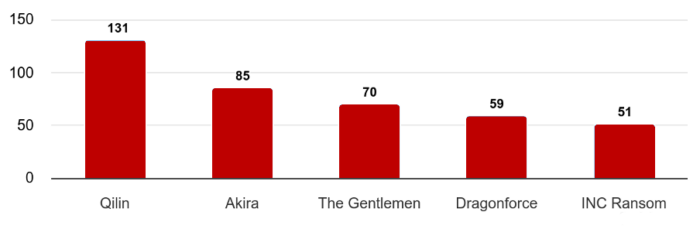
One of the most defining aspects of the March 2026 threat landscape was the scale of ransomware attacks. CRIL recorded 702 ransomware incidents globally, underscoring the continued dominance of ransomware as a primary attack vector.
Among the most active threat groups were Qilin, Akira, The Gentlemen, Dragonforce, and INC Ransom. Collectively, these actors were responsible for over 56% of all observed ransomware activity, reflecting their operational maturity and extensive affiliate networks.
Industries most affected by ransomware attacks included:
- Construction
- Professional Services
- Manufacturing
- Healthcare
- Energy & Utilities
Attackers frequently employed double-extortion tactics, combining data theft with system disruption to increase pressure on victims. Geographically, the United States remained the primary target, influenced in part by ongoing geopolitical tensions, including those involving Iran.

Rise of Access Brokers in the CRIL Threat Analysis
Another notable trend in the 2026 threat landscape, as identified by CRIL, was the continued growth of the compromised access market. During March, 20 separate incidents involving the sale of unauthorized network access were tracked across cybercrime forums.
The most targeted sectors for access sales were:
- Professional Services (25%)
- Retail (20%)
- IT & ITES
- Manufacturing
A small group of threat actors, vexin, holyduxy, and algoyim, dominated this space, accounting for more than 55% of observed listings. These access brokers play a critical upstream role, enabling ransomware attacks, espionage campaigns, and financial fraud operations.
Data Breaches and Leak Markets Stay Active
CRIL also documented 54 significant data breach and leak incidents in March, further highlighting the scale of data exposure risks in the current 2026 threat landscape.
The most targeted sectors for data breaches included:
- Government & Law Enforcement
- Retail
- Technology
Several incidents stood out:
- A threat actor known as “nightly” claimed to have stolen over 5TB of data from Hospitality Holdings, including biometric data, CCTV footage, and financial records.
- Another actor, XP95, advertised 3.8TB of allegedly stolen South African government data for sale.
- A separate breach exposed more than 95,000 travel-related records, including passport and payment information.
Exploitation of Critical Vulnerabilities Accelerates
The 2026 threat landscape also saw increased exploitation of critical vulnerabilities, particularly those listed in CISA’s Known Exploited Vulnerabilities (KEV) catalog.
Key vulnerabilities targeted included:
- CVE-2026-20131 (Cisco Secure Firewall Management Center)
- CVE-2025-53521 (F5 BIG-IP APM)
- CVE-2026-20963 (Microsoft SharePoint Server)
- CVE-2026-33017 (Langflow AI)
- CVE-2021-22681 (Rockwell Automation ICS)
CRIL observed attackers exploiting both newly disclosed zero-day vulnerabilities and older, unpatched flaws. This trend reflects persistent gaps in patch management and exposure mitigation across organizations.
Emerging Threat Developments in March 2026
Beyond ransomware attacks and data breaches, CRIL identified several strategic developments shaping the 2026 threat landscape:
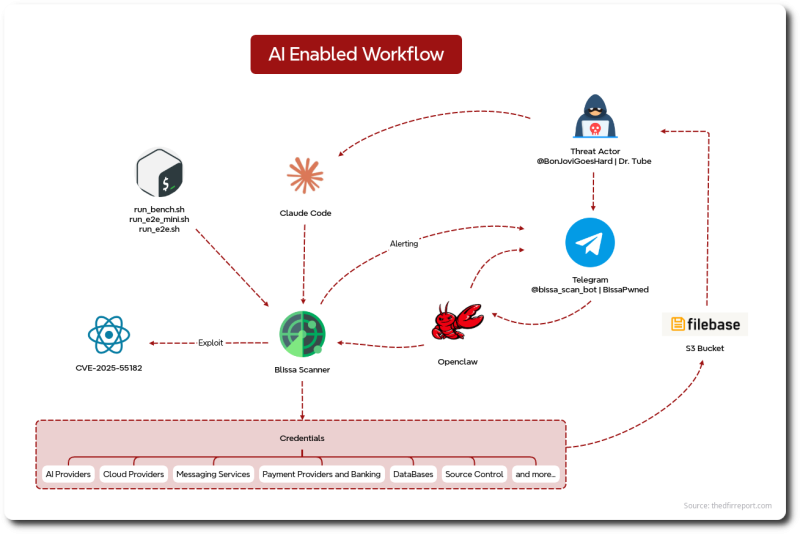
- AI-Driven Attacks: Threat actors reportedly leveraged an open-source framework called CyberStrikeAI to target Fortinet FortiGate devices across 55 countries, compromising more than 600 systems.
- Supply Chain Risks: North Korean-linked actors were associated with 26 malicious npm packages distributing remote access trojans (RATs) via infrastructure hosted on Pastebin and Vercel.
- Geopolitical Cyber Activity: Iran-linked cyber operations are expected to increase, with potential ransomware attacks and hacktivist campaigns targeting organizations in the Middle East.