








• Magazine
  • Firewall Daily
  • Essentials
    • Regulations
    • Compliance
    • Governance
    • Policy Updates
  • Knowledge Hub
  • Features
    • Cyber Warfare
    • Espionage
    • Workforce
      • Learning & Development
  • Business
    • Startups
    • Mergers & Aquisitions
    • Partnerships
    • Appointments
    • Budgets
    • Research
      • Whitepapers
      • Sponsored Content
      • Market Reports
    • Interviews
      • Podcast
  • Events
    • Conference
    • Webinar
    • Endorsed Events
  • Advisory Board
The Cyber Express
  • MagazineDownload
  • Firewall Daily
    • All
    • Bug Bounty & Rewards
    • Dark Web News
    • Data Breach News
    • Hacker News
    • Ransomware News
    • Vulnerabilities
    WorkOS, AI Agent, Prompt Injection, Grok, Grok AI, Gemini, Fraud, Agentic AI, AI-assisted Cyberattacks

    WorkOS Says a Researcher’s Runaway AI Pentest Agent Copied Customer Sales Records

    Nvidia board investigation

    Why Is Nvidia Investigating Its Own CEO, and Can the Board Remove Him?

    weekly roundup

    The Cyber Express Weekly Roundup: FBI Blames North Korea for $6B Binance Hack, Hackers Turn Up the Heat on Europe’s Fridges and More

    Stockal cyberattack

    Stockal Confirms Unauthorized Trades in 13 Customer Accounts

    Alpine Linux servers

    Alpine Linux SSH Flaw Lets Attackers Log In Without a Password

    Queens Public Library ransomware attack

    Ransomware Just Took New York’s Queens Library Offline, and It’s Not the First

    Amadeus cybersecurity incident

    Airline Data Breach Widens as Singapore Airlines Reports 46,000 Affected Records

    refrigeration cyberattacks

    After Supermarket Freezers, Hackers Turn Up the Heat on France’s Blood Supply

    university supercomputer hacking

    Two Canadians Accused of Turning US University Supercomputers Into Crypto Miners

    Trending Tags

    • blackbyte ransomware
    • Ransomware
    • lapsus$ ransomware
    • Apple
    • Apple vulnerability
  • Essentials
    • All
    • Compliance
    • Governance
    • Policy Updates
    • Regulations
    SEC, Misleading Cyber Disclosures, Financial data, financial data protection, SEC

    SEC Enforcement Fell 24% in Fiscal 2026

    ASD Essentials

    The Essential Eight Is Being Replaced: What Australian Organisations Need to Know

    SICW 2026

    AI Is Now Fighting on Both Sides of the Cyber War, Singapore Warns

    Morocco cybersecurity strategy

    Morocco Flags AI Threats, Prioritizes Critical Infrastructure Defense

    European Police Chiefs Convention 2026

    Europe’s Police Chiefs Face Growing Threat of AI-Driven Crime

    AI service security

    Hackers Are Stealing AI Keys. The Cost Can Reach $600,000

    AI security risks

    Sam Altman at UN Security Council: 6 AI Security Risks the World Cannot Ignore

    AI-enabled cyber attacks

    AI Gives Hackers an Edge Defenders Still Can’t Match, NCSC Warns

    Fraudulent SIM cards

    India’s DoT Warns Citizens Over SIM Fraud and IMEI Tampering

    • Regulations
    • Compliance
    • Governance
    • Policy Updates
  • Knowledge Hub
    • All
    • How to
    • What is
    Infostealer Intelligence

    The 2026 Infostealer Intelligence Shortlist: Top 10 Vendors Security Teams Should Know

    Google Chrome

    How to Remove Saved Passwords From Google Chrome (And Why You Should)

    DPDP Rules, Cyble, DPDP Act, Cyble Vantage

    How Cyble’s Front-Row Vantage Can Help You in Complying to India’s DPDP Act

    Cybersecurity Countries

    The Top 8 Countries Leading the Cyber Defense Race in 2025

    link building

    The Link Building Secrets Your Competitors Don’t Want You to Know

    Supply Chain Attack

    Supply Chain Resilience and Physical Security: Lessons for 2025

    Healthcare cybersecurity trends of 2024

    Healthcare Cybersecurity: 2024 Was Tough, 2025 May Be Better

    CEO's Guide to Take-Down Services

    Shield Your Organization: CEO’s Perspective on Take-Down Services

    Azure sign-in Microsoft

    Microsoft Announces Mandatory MFA for Azure Sign-ins to Bolster Cloud Defenses

  • Features
    • Cyber Warfare
    • Espionage
    • Workforce
      • Learning & Development
  • Business
    • All
    • Appointments
    • Budgets
    • Mergers & Aquisitions
    • Partnerships
    • Press Release
    • Startups
    Kerala Police Signs MoU With Cyble

    Kerala Police Signs MoU With Cyble to Use Threat Intelligence in Cybercrime Probes

    Gemini 4 Argon

    Gemini 4 Argon Restricted Over Cybersecurity Misuse Risks

    weekly roundup September 18 2026

    The Cyber Express Weekly Roundup: Hiscox’s SMB Warning, a Nintendo Switch Flaw, and a Record Deepfake Takedown

    threat intelligence

    Cyble, UAE Cyber Security Council Unite Against Rising Cyber Threats

    Ukraine cybersecurity

    Zelensky Appoints Ihor Klymenko to Lead Ukraine’s Cybersecurity Center

    UK cyberattack rate

    UK Small Firms Bear Brunt of Rising Cyberattacks, Hiscox Finds

    Cyber Yodha Campaign

    Cyble and DRONA Launch New Push to Close India’s Cybersecurity Gap

    UK Ukraine AI partnership

    Britain Gains Access to Ukraine’s ‘Goldmine’ of Battlefield AI Data

    Hims & Hers lawsuit

    FTC Sues Hims & Hers Over Health Data Privacy, Billing Practices

    • Startups
    • Mergers & Aquisitions
    • Partnerships
    • Appointments
    • Budgets
    • Research
      • Whitepapers
      • Sponsored Content
      • Market Reports
    • Interviews
      • Podcast
  • Events
    • Conference
    • Webinar
    • Endorsed Events
  • Advisory Board
No Result
View All Result
The Cyber Express
No Result
View All Result

How 32 Russian Cybersquatted Domains Were Used in a Campaign to Sway US Voters

Samiksha Jain by Samiksha Jain
September 5, 2024
in Cyber Essentials, Cyber News, Firewall Daily, Governance
0
U.S. Presidential Election

Source: Freepik

585
SHARES
3.2k
VIEWS
Share on LinkedInShare on Twitter

The Department of Justice (DOJ) has announced the ongoing seizure of 32 internet domains tied to a Russian foreign malign influence campaign. These domains were used to promote disinformation and propaganda aimed at reducing international support for Ukraine, influencing U.S. voters, and supporting Russian interests, including attempts to manipulate the upcoming 2024 U.S. Presidential Election. This decisive move is taken to protect the integrity of the U.S. 2024 general elections.

This revelation highlights the persistent threat posed by Russian cyber and influence operations as the Kremlin continues to deploy advanced tactics in its attempts to sway public opinion globally.

The Doppelganger Campaign: An Overview

The influence campaign, known as “Doppelganger,” was allegedly directed by the Russian government and operated through three organizations: Social Design Agency (SDA), Structura National Technology (Structura), and ANO Dialog. These entities, under the supervision of Sergei Kiriyenko, the First Deputy Chief of Staff to Russian President Vladimir Putin, conducted a disinformation campaign designed to destabilize U.S. democratic institutions.

According to an affidavit released by the DOJ, the 32 domains seized were central to this campaign. They engaged in cybersquatting, a technique where domains are registered to imitate legitimate news organizations (e.g., registering washingtonpost.pm to mimic washingtonpost.com), publishing content that presented itself as credible news.

These domains were created to mimic authentic news outlets and, in some cases, built their own unique media brands to further spread disinformation. These websites were used to push Kremlin-backed narratives, particularly those promoting pro-Russian policies and undermining international support for Ukraine.

Tactics and Tools of Russian Influence for the U.S. Presidential Election

The tactics employed in the Doppelganger campaign reveal the calculated nature of Russia’s digital influence efforts. One key strategy involved the creation of fabricated social media influencers who would covertly promote Russian narratives. These influencers, along with fake social media accounts and AI-generated content, were used to target specific demographics within the United States.

Paid social media advertisements also played a role, amplifying the reach of the cybersquatted websites. In several cases, the content was created with artificial intelligence (AI) tools to appear legitimate, thus tricking American audiences into consuming Russian propaganda disguised as news.

This network of fabricated influencers and AI-generated false narratives was tailored to specific regions in the U.S. to stoke political divisions and amplify contentious issues, all with the aim of influencing voters ahead of the 2024 U.S. Presidential Election.

The Government Response: DOJ and Treasury Coordination

Attorney General Merrick B. Garland, in announcing the seizure of these domains, emphasized the seriousness of the Russian government’s interference campaign. “The Justice Department is seizing 32 internet domains that the Russian government and Russian government-sponsored actors have used to engage in a covert campaign to interfere in and influence the outcome of our country’s elections,” he stated, adding that these actions make it clear the U.S. will act aggressively against any attempts to disrupt its democratic processes.

The seizure of the domains comes alongside new sanctions from the U.S. Treasury Department. Ten individuals and two entities have been sanctioned for their involvement in Russia’s malign influence campaign, with these sanctions following the designations announced by the Treasury in March. These actions reflect a coordinated government response to Russia’s persistent attempts to interfere in U.S. affairs.

FBI Director Christopher Wray underscored the role of AI in these disinformation operations, noting that Russian-backed entities “created websites to trick Americans into unwittingly consuming Russian propaganda.” The FBI, DOJ, and Treasury Department are working together to dismantle these covert operations and prevent further interference in the U.S. election process.

Doppelganger’s Global Influence

The campaign’s scope was not limited to the U.S. While a major focus of the disinformation was the 2024 U.S. election, the influence operations also targeted audiences in Germany, Israel, Mexico, and other countries. Russian-backed actors sought to undermine relationships between these nations and the United States, with the broader goal of advancing Russian geopolitical interests.

According to DOJ findings, these operations aimed to sway public opinion in favor of the Kremlin by amplifying anti-U.S. narratives, reducing international support for Ukraine, and spreading confusion around key global issues.

Implications and Legal Violations

The DOJ’s legal action against the 32 domains highlights several critical legal violations. The use of cybersquatted domains, particularly those mimicking legitimate news outlets, violates federal criminal trademark laws, as the domains feature registered trademarks of established media companies.

Additionally, the Doppelganger campaign’s use of U.S.-based domains to promote Russian state messaging breaches the International Emergency Economic Powers Act (IEEPA). These domains were used under the direction of sanctioned individuals like Sergei Kiriyenko, making the transactions involved in maintaining this online infrastructure a violation of federal money laundering laws.

What’s at Stake for the 2024 U.S. Presidential Election?

As the DOJ continues to expose Russian interference efforts, the incident serves as a sobering reminder of the vulnerability of democratic institutions to foreign influence operations. The Doppelganger campaign exemplifies the lengths to which foreign adversaries will go to influence voter behavior, not only through direct disinformation but also by undermining trust in legitimate media sources.

Deputy Attorney General Lisa Monaco noted that “at Putin’s direction, Russian companies used cybersquatting, fabricated influencers, and fake profiles to covertly promote AI-generated false narratives.” The DOJ and FBI’s work in shutting down these domains is a critical step in safeguarding the integrity of the 2024 U.S. Presidential Election and ensuring that American voters are not misled by foreign powers.

So, What Lessons We Learned?

The exposure of Russia’s Doppelganger campaign offers important lessons for both the public and private sectors. The extensive use of AI in disinformation campaigns highlights the need for enhanced cybersecurity and fact-checking tools. Additionally, the manipulation of social media platforms, paid ads, and fabricated influencers highlights the importance of media literacy, with the public needing to critically evaluate the sources of the information they consume.

In an era where disinformation has become a tool of global influence, the coordinated efforts of the DOJ, FBI, and Treasury demonstrate the U.S. government’s commitment to defending its democratic processes. However, the ongoing threats posed by foreign malign actors mean that vigilance and proactive measures are essential to ensuring the security and integrity of future U.S. Presidential Elections.
Share this:

  • Share on LinkedIn (Opens in new window) LinkedIn
  • Share on Reddit (Opens in new window) Reddit
  • Share on X (Opens in new window) X
  • Share on Facebook (Opens in new window) Facebook
  • More
  • Email a link to a friend (Opens in new window) Email
  • Share on WhatsApp (Opens in new window) WhatsApp

Related

Source: The exposure of Russia’s Doppelganger campaign offers important lessons for both the public and private sectors.
Tags: Department of JusticeDoppelganger CampaignRussian Influenceseizure of 32 internet domainsThe Cyber ExpressThe Cyber Express NewsU.S. presidential election
Previous Post

How Microchip Technology Is Recovering After a Cyberattack: Lessons for All Businesses

Next Post

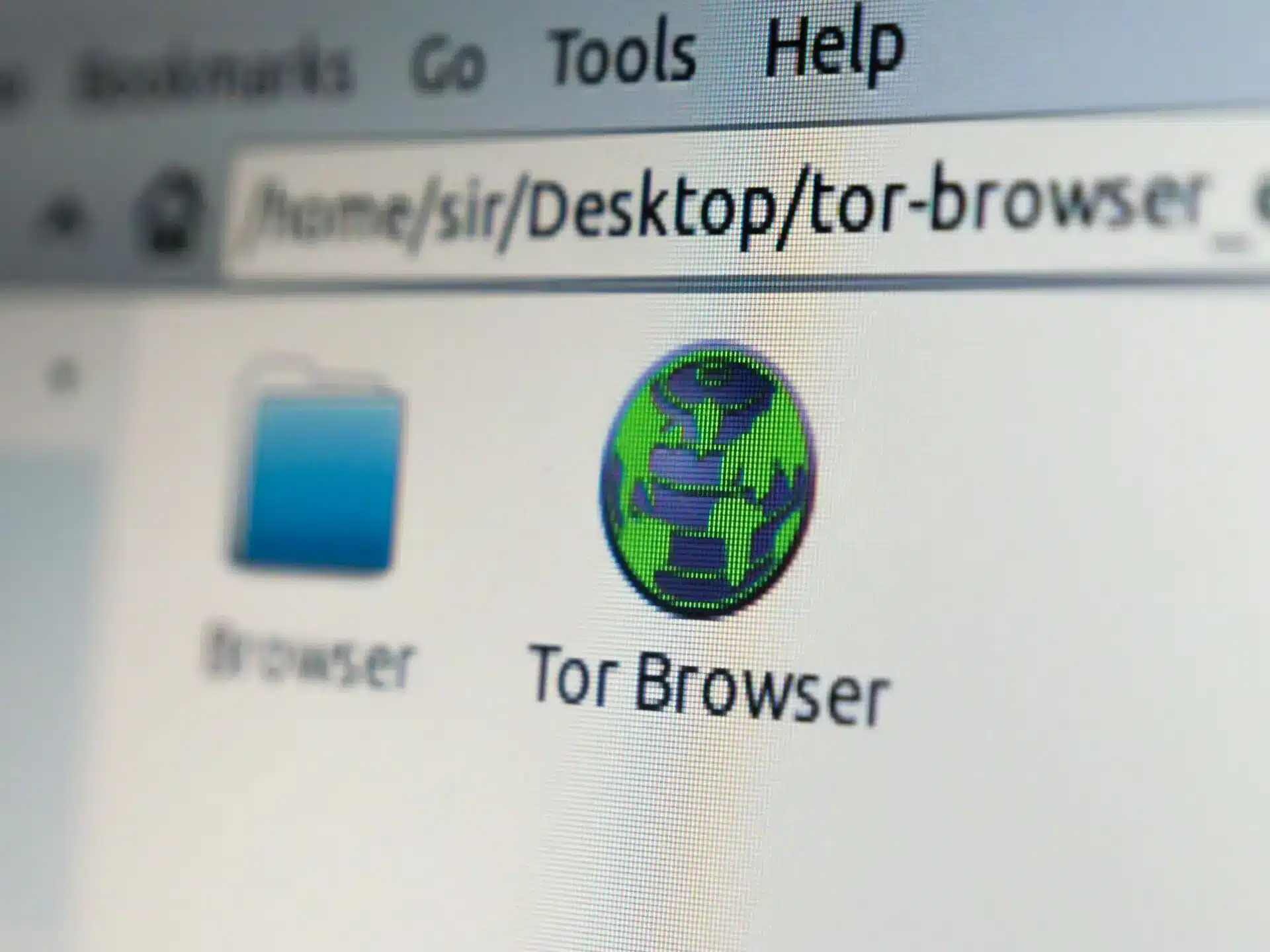
Tor Browser 13.5.3 Update Improves Privacy and Stability Across Devices

Next Post
Tor Browser 13.5.3

Tor Browser 13.5.3 Update Improves Privacy and Stability Across Devices

Q1 2026 Threat Reports

❮ ❯
Cyble-Vision


Follow Us On Google News

Categories

  • Privacy Statement
  • Terms of Use
  • Write For Us

© 2026 The Cyber Express - Cybersecurity News and Magazine.

Welcome Back!

Login to your account below

Forgotten Password?

Retrieve your password

Please enter your username or email address to reset your password.

Log In

Add New Playlist

No Result
View All Result
  • Magazine
  • Firewall Daily
  • Essentials
    • Regulations
    • Compliance
    • Governance
    • Policy Updates
  • Knowledge Hub
  • Features
    • Cyber Warfare
    • Espionage
    • Workforce
      • Learning & Development
  • Business
    • Startups
    • Mergers & Aquisitions
    • Partnerships
    • Appointments
    • Budgets
    • Research
      • Whitepapers
      • Sponsored Content
      • Market Reports
    • Interviews
      • Podcast
  • Events
    • Conference
    • Webinar
    • Endorsed Events
  • Advisory Board

© 2026 The Cyber Express - Cybersecurity News and Magazine.

-
00:00
00:00

Queue

Update Required Flash plugin
-
00:00
00:00