











• About Us
  • Contact Us
  • Editorial Calendar
  • Careers
  • The Cyber Express by Cyble Vulnerability Disclosure Policy
  • Cyble Trust Portal
The Cyber Express
  • MagazineDownload
  • Firewall Daily
    • All
    • Bug Bounty & Rewards
    • Dark Web News
    • Data Breach News
    • Hacker News
    • Ransomware News
    • Vulnerabilities
    EU-US Data Privacy Framework

    EU-US Data Privacy Framework Under Threat After Supreme Court Ruling

    Japan cyberattacks

    Japan’s Aflac, KDDI, Sapporo, Nidec: Four Breaches, One Common Entry Point

    Scattered Spider

    Alleged Scattered Spider Member Arrested in Finland, Extradited to U.S.

    AI Cyber Attacks

    AI Cyber Attacks Emerge as Biggest Threat to Indian Banking: RBI

    Apple Security Update

    Apple Security Update Patches 30+ Vulnerabilities in iOS 26.5.2

    Seized Crypto Assets

    Ukraine Makes History With First $8.3M Seized Crypto Transfer to ARMA

    Illegal World Cup Streaming Domains

    U.S. Seizes Nearly 400 Illegal FIFA World Cup Streaming Domains

    Operation Endgame Disrupts SocGholish

    Operation Endgame Disrupts SocGholish, StealC Malware Networks

    UAE Cybersecurity Council

    UAE Cybersecurity Council Calls for Stronger Digital Footprint Protection

    Trending Tags

    • blackbyte ransomware
    • Ransomware
    • lapsus$ ransomware
    • Apple
    • Apple vulnerability
  • Essentials
    • All
    • Compliance
    • Governance
    • Policy Updates
    • Regulations
    FBI Warns of Malicious Traffic

    FBI Warns of a Hidden Web Tactic Fueling Phishing and Ransomware

    Ukraine Joins EU Cybersecurity Reserve

    What Ukraine’s Entry Into the EU Cybersecurity Reserve Means

    UK social media ban

    UK Social Media Ban for Under-16s Could Take Effect by Spring 2027

    Ransomware Preparedness

    Ransomware Preparedness Must Be a Boardroom Priority: NCSC Chief

    AI legal assistants

    AI Heads to UK Courts, Bringing New Cybersecurity and Governance Challenges

    VerdantBamboo

    China’s VerdantBamboo Experimented With Three Re-Entries and Three Malware in a Company Network

    Crypto Scam, Crypto

    New Threat Actor Targets Crypto Firms’ Development Infrastructure

    Pink, Pink Extortion, CL-CRI-1147

    Pink Extortion Group Emerges Targeting Microsoft 365 Data

    AI-Powered Bots

    AI-Powered Bots Are Blurring the Line Between Users and Cyber Threats

    • Regulations
    • Compliance
    • Governance
    • Policy Updates
  • Knowledge Hub
    • All
    • How to
    • What is
    Google Chrome

    How to Remove Saved Passwords From Google Chrome (And Why You Should)

    DPDP Rules, Cyble, DPDP Act, Cyble Vantage

    How Cyble’s Front-Row Vantage Can Help You in Complying to India’s DPDP Act

    Cybersecurity Countries

    The Top 8 Countries Leading the Cyber Defense Race in 2025

    link building

    The Link Building Secrets Your Competitors Don’t Want You to Know

    Supply Chain Attack

    Supply Chain Resilience and Physical Security: Lessons for 2025

    Healthcare cybersecurity trends of 2024

    Healthcare Cybersecurity: 2024 Was Tough, 2025 May Be Better

    CEO's Guide to Take-Down Services

    Shield Your Organization: CEO’s Perspective on Take-Down Services

    Azure sign-in Microsoft

    Microsoft Announces Mandatory MFA for Azure Sign-ins to Bolster Cloud Defenses

    Signal Proxy, Signal, Signal Ban in Russia, Signal Ban in Venezuela, Bypass Signal Ban, How to Activate Signal Proxy, Signal Proxy Server

    How to Set Up Signal Proxy to Help Bypass Censorship in Russia and Venezuela

  • Features
    • Cyber Warfare
    • Espionage
    • Workforce
      • Learning & Development
  • Business
    • All
    • Appointments
    • Budgets
    • Mergers & Aquisitions
    • Partnerships
    • Press Release
    • Startups
    Sunil Varkey

    Sunil Varkey Joins Hexaware Technologies as EVP & CISO

    AI Chip, Chip Security Act

    Congress Wants a GPS Tracker on Every Advanced AI Chip America Exports

    Fraud, Agentic AI, AI-assisted Cyberattacks

    Agentic AI Run Fraud Campaigns Earning 4.5 Times More: Interpol

    Stryker, Stryker Cyberattack, CISA, Handala

    Stryker Says Cyberattack Disrupted Processing, Manufacturing and Shipping

    INC Ransom, Western Critical Infrastructure, Critical infrastructure, Russian GRU, Russian Threat Actor, Sandworm, APT44, Energy Supply Chain, Energy Infrastructure

    INC Ransom’s Franchise Model Is Putting Critical Infrastructure on the Chopping Block

    Terrorist Cyberattacks, UAE Cyber Security Council

    UAE Blocked AI-Powered Terrorist Cyberattacks Targeting Critical Infrastructure

    Eurail Breach, Eurail

    Eurail Breach Escalates as Stolen Passport Data and IBANs Surface on Dark Web for Sale

    Discord teen-by-default settings

    Discord Introduces Stronger Teen Safety Controls Worldwide

    The Cyber Express cybersecurity roundup

    The Cyber Express Weekly Roundup: FortiOS Exploits, Ransomware, Hacktivist Surge, and EU Telecom Rules

    • Startups
    • Mergers & Aquisitions
    • Partnerships
    • Appointments
    • Budgets
    • Research
      • Whitepapers
      • Sponsored Content
      • Market Reports
    • Interviews
      • Podcast
  • Events
    • Conference
    • Webinar
    • Endorsed Events
  • Advisory Board
No Result
View All Result
  • MagazineDownload
  • Firewall Daily
    • All
    • Bug Bounty & Rewards
    • Dark Web News
    • Data Breach News
    • Hacker News
    • Ransomware News
    • Vulnerabilities
    EU-US Data Privacy Framework

    EU-US Data Privacy Framework Under Threat After Supreme Court Ruling

    Japan cyberattacks

    Japan’s Aflac, KDDI, Sapporo, Nidec: Four Breaches, One Common Entry Point

    Scattered Spider

    Alleged Scattered Spider Member Arrested in Finland, Extradited to U.S.

    AI Cyber Attacks

    AI Cyber Attacks Emerge as Biggest Threat to Indian Banking: RBI

    Apple Security Update

    Apple Security Update Patches 30+ Vulnerabilities in iOS 26.5.2

    Seized Crypto Assets

    Ukraine Makes History With First $8.3M Seized Crypto Transfer to ARMA

    Illegal World Cup Streaming Domains

    U.S. Seizes Nearly 400 Illegal FIFA World Cup Streaming Domains

    Operation Endgame Disrupts SocGholish

    Operation Endgame Disrupts SocGholish, StealC Malware Networks

    UAE Cybersecurity Council

    UAE Cybersecurity Council Calls for Stronger Digital Footprint Protection

    Trending Tags

    • blackbyte ransomware
    • Ransomware
    • lapsus$ ransomware
    • Apple
    • Apple vulnerability
  • Essentials
    • All
    • Compliance
    • Governance
    • Policy Updates
    • Regulations
    FBI Warns of Malicious Traffic

    FBI Warns of a Hidden Web Tactic Fueling Phishing and Ransomware

    Ukraine Joins EU Cybersecurity Reserve

    What Ukraine’s Entry Into the EU Cybersecurity Reserve Means

    UK social media ban

    UK Social Media Ban for Under-16s Could Take Effect by Spring 2027

    Ransomware Preparedness

    Ransomware Preparedness Must Be a Boardroom Priority: NCSC Chief

    AI legal assistants

    AI Heads to UK Courts, Bringing New Cybersecurity and Governance Challenges

    VerdantBamboo

    China’s VerdantBamboo Experimented With Three Re-Entries and Three Malware in a Company Network

    Crypto Scam, Crypto

    New Threat Actor Targets Crypto Firms’ Development Infrastructure

    Pink, Pink Extortion, CL-CRI-1147

    Pink Extortion Group Emerges Targeting Microsoft 365 Data

    AI-Powered Bots

    AI-Powered Bots Are Blurring the Line Between Users and Cyber Threats

    • Regulations
    • Compliance
    • Governance
    • Policy Updates
  • Knowledge Hub
    • All
    • How to
    • What is
    Google Chrome

    How to Remove Saved Passwords From Google Chrome (And Why You Should)

    DPDP Rules, Cyble, DPDP Act, Cyble Vantage

    How Cyble’s Front-Row Vantage Can Help You in Complying to India’s DPDP Act

    Cybersecurity Countries

    The Top 8 Countries Leading the Cyber Defense Race in 2025

    link building

    The Link Building Secrets Your Competitors Don’t Want You to Know

    Supply Chain Attack

    Supply Chain Resilience and Physical Security: Lessons for 2025

    Healthcare cybersecurity trends of 2024

    Healthcare Cybersecurity: 2024 Was Tough, 2025 May Be Better

    CEO's Guide to Take-Down Services

    Shield Your Organization: CEO’s Perspective on Take-Down Services

    Azure sign-in Microsoft

    Microsoft Announces Mandatory MFA for Azure Sign-ins to Bolster Cloud Defenses

    Signal Proxy, Signal, Signal Ban in Russia, Signal Ban in Venezuela, Bypass Signal Ban, How to Activate Signal Proxy, Signal Proxy Server

    How to Set Up Signal Proxy to Help Bypass Censorship in Russia and Venezuela

  • Features
    • Cyber Warfare
    • Espionage
    • Workforce
      • Learning & Development
  • Business
    • All
    • Appointments
    • Budgets
    • Mergers & Aquisitions
    • Partnerships
    • Press Release
    • Startups
    Sunil Varkey

    Sunil Varkey Joins Hexaware Technologies as EVP & CISO

    AI Chip, Chip Security Act

    Congress Wants a GPS Tracker on Every Advanced AI Chip America Exports

    Fraud, Agentic AI, AI-assisted Cyberattacks

    Agentic AI Run Fraud Campaigns Earning 4.5 Times More: Interpol

    Stryker, Stryker Cyberattack, CISA, Handala

    Stryker Says Cyberattack Disrupted Processing, Manufacturing and Shipping

    INC Ransom, Western Critical Infrastructure, Critical infrastructure, Russian GRU, Russian Threat Actor, Sandworm, APT44, Energy Supply Chain, Energy Infrastructure

    INC Ransom’s Franchise Model Is Putting Critical Infrastructure on the Chopping Block

    Terrorist Cyberattacks, UAE Cyber Security Council

    UAE Blocked AI-Powered Terrorist Cyberattacks Targeting Critical Infrastructure

    Eurail Breach, Eurail

    Eurail Breach Escalates as Stolen Passport Data and IBANs Surface on Dark Web for Sale

    Discord teen-by-default settings

    Discord Introduces Stronger Teen Safety Controls Worldwide

    The Cyber Express cybersecurity roundup

    The Cyber Express Weekly Roundup: FortiOS Exploits, Ransomware, Hacktivist Surge, and EU Telecom Rules

    • Startups
    • Mergers & Aquisitions
    • Partnerships
    • Appointments
    • Budgets
    • Research
      • Whitepapers
      • Sponsored Content
      • Market Reports
    • Interviews
      • Podcast
  • Events
    • Conference
    • Webinar
    • Endorsed Events
  • Advisory Board
No Result
View All Result
The Cyber Express
No Result
View All Result
Home Firewall Daily

US Cybersecurity Regulations: Tracing the Past and Predicting the Future

Cybersecurity regulations have evolved over time, adapting based on insights and forward-thinking strategies to safeguard citizen data.

Editorial by Editorial
March 15, 2024
in Firewall Daily, Regulations
0
US Cybersecurity Regulations
653
SHARES
3.6k
VIEWS
Share on LinkedInShare on Twitter

Cybersecurity regulations aim to secure computer systems and offer guidelines for companies to follow. Not following them can lead to penalties and legal action as maintained in the US cybersecurity regulations. While regulations vary among nations, they have transformed over time in response to the evolving threat landscape.   

In the United States of America, federal and state laws form the basis of cybersecurity regulations. The Federal Trade Commission (FTC), the Department of Homeland Security (DHS), and the National Institute of Standards and Technology (NIST) work to ensure the smooth enforcement of cyber laws.  

The Federal Trade Commission Act is the main law that governs cybersecurity in the US, especially for businesses. The Gramm-Leach-Bliley Act (GLB) also guides organizations to protect customer data in keeping with the policy.  

Decoding US Cybersecurity Regulations
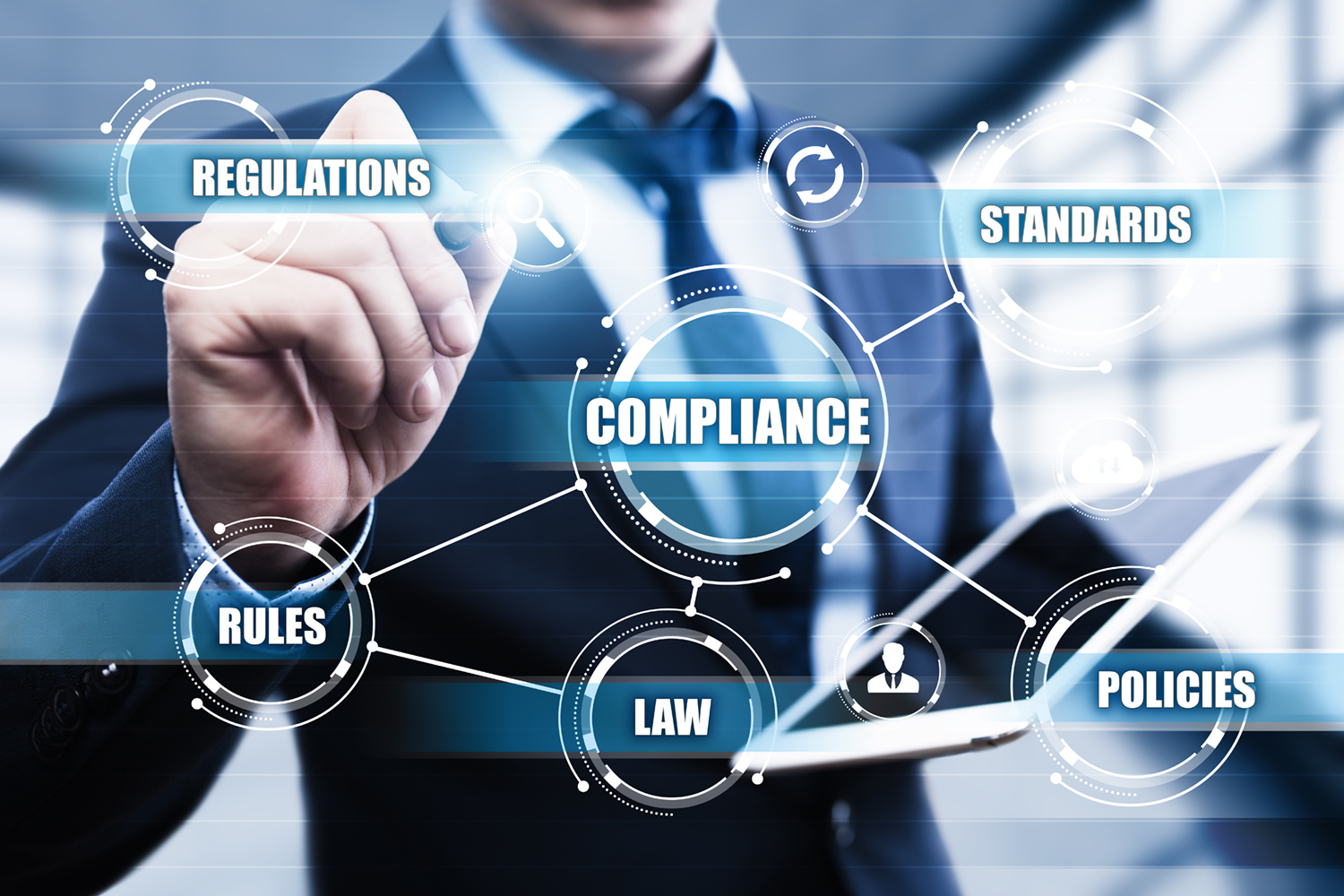
US Cybersecurity Regulations
(Photo: TCDI)

Chuck Brooks, a recognized authority in cybersecurity with more than two decades of experience, shared insights on the cybersecurity evolution with The Cyber Express. “Since the formal establishment of the Internet in 1983, the digital landscape has greatly evolved in capabilities, speed, and connectivity,” said Brooks.  

“It has also become more perilous from threat actors engaged in criminal and state-sponsored hacking,” he stated. 

He noted that the United States developed a significant emphasis on cyberspace starting around 2003, marked by the formulation of the President’s National Strategy to Secure Cyberspace by the Department of Homeland Security (DHS). 

report-ad-banner

The plan focused on expanding collaboration between government and industry and protecting critical infrastructure. 

“Since then, there have been many regulatory initiatives and mandates across the globe, including Europe’s GDPR, the recent Security Exchange Commission’s requirements for breach disclosure in the US, India requiring CERT-In incident reporting, and many other countries having enacted regulations,” Chuck elaborated. 

“Most of those regulations have been privacy-oriented, but that is now changing to be cybersecurity-oriented,” Chuck added. 

Voted as one of the most influential women in Cyber & Diversity Champion, Holly Foxcroft conveyed her observations on the evolution of cybersecurity over time. 

“We can date the beginning of ‘regulation’ back to the 1970s,” Foxcroft, a Committee Member of BCS NeurodiverIT Specialist Group, told The Cyber Express. 

She reiterated that there was an increased focus on the use (or misuse) of data now than before. Addressing how conflicts can arise in terms of regulations, Foxcroft added, “Regulation of technology and the use of cyberspace is not only limited to nation-states but also the organizations who own platforms, which can cause conflict such as to the protection of freedom of speech.” 

Keeping the present focus on AI technology, enhanced machine learning, and quantum, Foxcroft expressed concern over the lack of clarity in its regulations.  

Foxcroft further said that the rapid growth and development of artificial intelligence without any clear regulation or clarity between companies and governments is worrying how these systems are being built, deployed, and monitored both ethically and responsibly. 

Let us investigate the changing cybersecurity regulations in the US and what contributed to the modifications in policies. 

CCPA

In the United States, the California Consumer Privacy Act (CCPA) offers the most comprehensive cyber laws to secure the data of California residents.  

Initially, CCPA promoted the right to know how one’s personal information was shared, and the right to delete the same. It noted that people can opt out of having their data shared and have the right to non-discrimination ensuring the CCPA protects all without discrimination on the basis of race, age, gender, etc. 

With time, newer rights were added to the CCPA after getting approval and being amended on January 1, 2023. It entailed the right to correct one’s data, and the right to limit the disclosure of their information with those including third parties. 

HIPAA

Industry-specific US cybersecurity regulations are the Health Insurance Portability and Accountability Act (HIPAA) of 1996 for healthcare. Also called Kennedy-Kassebaum Act shares how personally identifiable information must be handled by healthcare and health insurance industries.  

HIPAA amended the Employee Retirement Income Security Act, the Internal Revenue Code, and the Public Health Service Act. The various Titles of HIPAA were modified to make better group health plans, health insurance policies, and job locks.  

Earlier job locks led employees to stick to their jobs or lose their health coverage which was amended in Title I of HIPAA. It offered protection to employees to keep their and their family’s health insurance coverage.  

It was in July 2005, when a provision was announced to file electronic claims using HIPAA standards to be eligible for payment. In 2006, it was made mandatory to use a single new National Provider Identifier (NPI) by all the covered entities including hospitals, and insurance companies that used electronic communications. 

The use of 10-character NPIs replaced all other identifiers while keeping the state license number and other critical identifiers intact.  

In 2006 the Health and Human Services (HHS) which is the department of the US federal government for safeguarding the health of the American people issued a few critical rules for HIPAA compliance. 

It included civil financial penalties for the violation of the HIPAA rules. 

GLBA 

The Gramm-Leach-Bliley Act (GLBA) of 1999 regulates data privacy mainly in the financial sector. It changed and modified several barriers found in the Glass-Steagall legislation of 1933. 

The Glass-Steagall legislation’s conflict of interest prohibition, which limited the concurrent service of specific officials in a bank or firm, was lifted. While the GLBA facilitated smoother mergers among financial services firms, it mandated these companies to comply with the Community Reinvestment Act (CRA). 

Mergers were needed to pass the CRA exams of the regulatory bodies.  

The GLBA covered the Financial Privacy Rule, The Safeguard Rule, and the Pretexting Protection. The Financial Privacy Rule made it mandatory for financial institutions to offer privacy notices and explain data usage to consumers.  

The Safeguard Rule stated the need for organizations to develop a written information security plan detailing the handling of their clients’ personal information. Between 2021 and 2022, newer guidelines were created by the FTC asking the board of directors to be accountable and answerable for security. 

HSA, FISMA and CISPA

The Homeland Security Act (HSA) of 2002 for securing the national security of the United States and its borders included the Federal Information Security Management Act (FISMA). FISMA is for all US government agencies to safeguard their systems and data.  

Among the earlier cyber laws in the United States of America, the Department of Defense released the Cyber Intelligence Sharing and Protection Act (CISPA) 2011. The CISPA was formed by making specific amendments to the National Security Act of 1947.  

CISPA instituted the Cybersecurity National Security Action Plan the Cyber Intelligence Sharing and Protection Act. These US cybersecurity regulations and others focused on threat intelligence sharing with the private sector.  

Procedures were outlined with criteria for sharing security and threat information between federal departments and agencies.  

Collaborative Efforts Between Government Organizations for Cybersecurity

A cybersecurity regulation may pass through several stages to be passed into law besides garnering votes and negation from involved departments, organizations, and people. Cybersecurity regulations impose fines when policies are not followed up to set standards and hence are often considered costly by companies.  

However, information security regulations cannot be based on the acceptance of a handful of individuals, organizations, and departments. This is why key government agencies propose, safeguard, enhance, and uphold US cybersecurity regulations with the power vested in them.  

Some of the US government organizations working around cybersecurity and security

Federal Trade Commission 

The Federal Trade Commission (FTC) is a government agency in the US that works toward consumer protection and enforcing consumer protection laws. The website of FTC states – “Every day we: Pursue strong and effective law enforcement against deceptive, unfair and anticompetitive business practices,” defining its mission. 

“Develop policy and research tools through workshops conferences, and hearings,” the FTC website further adds.  

Department of Homeland Security 

The United States Department of Homeland Security (DHS) ensures public security. Among the list of incorporated agencies within the DHS includes the Federal Computer Response Center and the National Communications Systems. 

These offices within the DHS are entrusted with the responsibility of maintaining national security, and communications among other duties.  

Government Accountability Office 

The U.S. Government Accountability Office (GAO) is tasked with auditing, and investigating for the United States Congress. The mission team – Information Technology and Cybersecurity (ITC) is part of the GAO. 

The reports by GAO in the field of security and data protection have contributed to increased awareness and development of science and technology policies. 

National Institute of Standards and Technology 

The National Institute of Standards and Technology (NIST) agency is a part of the United States Department of Commerce. The team of NIST promotes innovation via physical science laboratory programs.  

NIST is a non-regulatory agency that creates voluntary guidance however, do not draft laws or cybersecurity regulations.  

The Cybersecurity Framework provided by NIST helped organizations handle threats and defend against online threats.  

The Cybersecurity Maturity Model offered deep insights into compliance and help in assessing performance and zero trust architecture based on set parameters. 

Cybersecurity and Infrastructure Security Agency

The Cybersecurity and Infrastructure Security Agency (CISA) is an agency of the US Department of Homeland Security with a prime focus on the nation’s cybersecurity. CISA records software vulnerabilities, cybercriminals, and cybercrimes to improve security posture across all levels of the US government.  

CISA was established in 2018 and is a continuation of the National Protection and Programs Directorate (NPPD) that worked for national security defending threats to critical infrastructure. 

These organizations collaborate and synchronize their efforts as needed, recognizing that no country is immune to cyber threats. 

The Cyber Express contacted industry experts and veterans to find out more about the impact of collaboration for the sake of better cybersecurity.  

Cybersecurity regulations
Seal of the embassy of the United States of America (Photo: Wikipedia)

In response to The Cyber Express, a spokesperson from the U.S. Embassy emphasized the nation’s dedication to partnering with allies and stakeholders to cultivate a secure, open, and dependable Internet environment.  

This commitment aims to facilitate secure and inclusive online participation, ensure access to vital services and government information, uphold human rights, and stimulate economic progress. 

“The United States is committed to working with allies and partners to promote an open, interoperable, secure, and reliable Internet in order to enable people to safely and openly engage online, reliably receive critical services and information from their governments, exercise their human rights and fundamental freedoms, and drive inclusive economic growth.” 

“We were pleased to hold the Cyber Dialogue with India last September, during which we discussed ongoing cooperation in cybersecurity and cyber policy, including efforts to advance the framework for responsible state behavior in cyberspace and strengthen responses to cybercrime threats, including ransomware.” 

Furthermore, the U.S. administration’s National Cybersecurity Strategy, introduced earlier this year, underscores the promotion of substantial changes, as emphasized by the spokesperson.  

“The Biden Administration’s National Cybersecurity Strategy calls for two fundamental shifts:  

  1. Calling for the digital ecosystem’s biggest, most capable, and best-positioned actors – be they in the public or private sectors – to assume a greater share of the burden for mitigating cyber risk; and 
  2. A shift to realign incentives to favor long-term investments.”

An important facet of the U.S. approach is the urging of prioritizing trusted suppliers for 5G infrastructure and across the broader ICT ecosystem. This stance aims to fortify the security and integrity of critical technology networks. 

The message by the US Embassy comes with a promise that a joint cybersecurity collaboration is the need of the hour with which the threat to privacy and data must be stopped.  

Such malicious activities must be curbed with nations, organizations, governments, and people joining hands with one mission – to fight cybercrime. The history of cybersecurity shows that global collaboration and an evolution in regulations is the answer to deter threat actors. 

Cybersecurity regulations and jointly working towards their effective application is a must to keep a watch on any happenings across the globe. 

Cybersecurity regulations have been modified and will continue to be updated based on changing threat landscape.  

Addressing the same, Chuck Brooks stated, “Common regulatory themes are now centered on cybersecurity awareness, threat detection and information sharing, resilience, and incident response.” 

Chuck concluded with his analysis of how regulations are expected to transform in the near future. He said, “As the ecosystem grows and is further enabled by emerging technologies such as artificial intelligence, the need for government/industry collaboration will grow and strategies such as security by design, and zero trust will become bigger pillars for directing regulations and policies.”  

Media Disclaimer: This report is based on internal and external research obtained through various means. The information provided is for reference purposes only, and users bear full responsibility for their reliance on it. The Cyber Express assumes no liability for the accuracy or consequences of using this information.

Share this:

  • Share on LinkedIn (Opens in new window) LinkedIn
  • Share on Reddit (Opens in new window) Reddit
  • Share on X (Opens in new window) X
  • Share on Facebook (Opens in new window) Facebook
  • More
  • Email a link to a friend (Opens in new window) Email
  • Share on WhatsApp (Opens in new window) WhatsApp

Related

Tags: Changing regulationsCybersecurity RegulationsNISTThe Cyber ExpressThe Cyber Express NewsUS Government Agencies
Previous Post

The Three Trends to Watch in the Growing Threat Landscape

Next Post

Inside Cybercrime Tournaments: Players, Incentives, and Impact on Security

Next Post
Cybercrime competitions

Inside Cybercrime Tournaments: Players, Incentives, and Impact on Security

Q1 2026 Threat Reports

❮ ❯
Cyble-Vision


Follow Us On Google News

Latest Cyber News

EU-US Data Privacy Framework
Cyber News

EU-US Data Privacy Framework Under Threat After Supreme Court Ruling

July 3, 2026
Japan cyberattacks
Cyber News

Japan’s Aflac, KDDI, Sapporo, Nidec: Four Breaches, One Common Entry Point

July 2, 2026
Scattered Spider
Cyber News

Alleged Scattered Spider Member Arrested in Finland, Extradited to U.S.

July 2, 2026
AI Cyber Attacks
Cyber News

AI Cyber Attacks Emerge as Biggest Threat to Indian Banking: RBI

July 1, 2026

Categories

Web Stories

Do This on Telegram, Your Bank Account Will Become Zero
If You Install the iOS 18 Beta, Your iPhone Could Be Hacked
Cricket World Cup Ticketing Systems Under Cybersecurity
Cyber Threats and Online Ticket Scams During the NBA Finals
Biometric Data Security: Protecting Sensitive Information

About

The Cyber Express

#1 Trending Cybersecurity News and Magazine

The Cyber Express is a handbook for all stakeholders of the internet that provides information security professionals with the latest news, updates and knowledge they need to combat cyber threats.


Contact

For editorial queries: [email protected]

For marketing and Sales: [email protected]


Quick Links

  • About Us
  • Contact Us
  • Editorial Calendar
  • Careers
  • The Cyber Express by Cyble Vulnerability Disclosure Policy
  • Cyble Trust Portal

Our Address

We’re remote friendly, with office locations around the world:

San Francisco, Atlanta, Rome,
Dubai, Mumbai, Bangalore, Hyderabad,  Singapore, Jakarta, Sydney, and Melbourne


Headquarters:

The Cyber Express LLC
10080 North Wolfe Road, Suite SW3-200, Cupertino, CA, US 95014


India Office:

Cyber Express Media Network
HD-021, 4th Floor, C Wing, Building No.4. Nesco IT Park, WE Highway, Goregaon East, Mumbai, Maharashtra, India – 4000063

  • Privacy Statement
  • Terms of Use
  • Write For Us

© 2026 The Cyber Express - Cybersecurity News and Magazine.

Welcome Back!

Login to your account below

Forgotten Password?

Retrieve your password

Please enter your username or email address to reset your password.

Log In

Add New Playlist

No Result
View All Result
  • Magazine
  • Firewall Daily
  • Essentials
    • Regulations
    • Compliance
    • Governance
    • Policy Updates
  • Knowledge Hub
  • Features
    • Cyber Warfare
    • Espionage
    • Workforce
      • Learning & Development
  • Business
    • Startups
    • Mergers & Aquisitions
    • Partnerships
    • Appointments
    • Budgets
    • Research
      • Whitepapers
      • Sponsored Content
      • Market Reports
    • Interviews
      • Podcast
  • Events
    • Conference
    • Webinar
    • Endorsed Events
  • Advisory Board

© 2026 The Cyber Express - Cybersecurity News and Magazine.

Are you sure want to unlock this post?
Unlock left : 0
Are you sure want to cancel subscription?
-
00:00
00:00

Queue

Update Required Flash plugin
-
00:00
00:00
Do This on Telegram, Your Bank Account Will Become Zero If You Install the iOS 18 Beta, Your iPhone Could Be Hacked Cricket World Cup Ticketing Systems Under Cybersecurity Cyber Threats and Online Ticket Scams During the NBA Finals Biometric Data Security: Protecting Sensitive Information