
























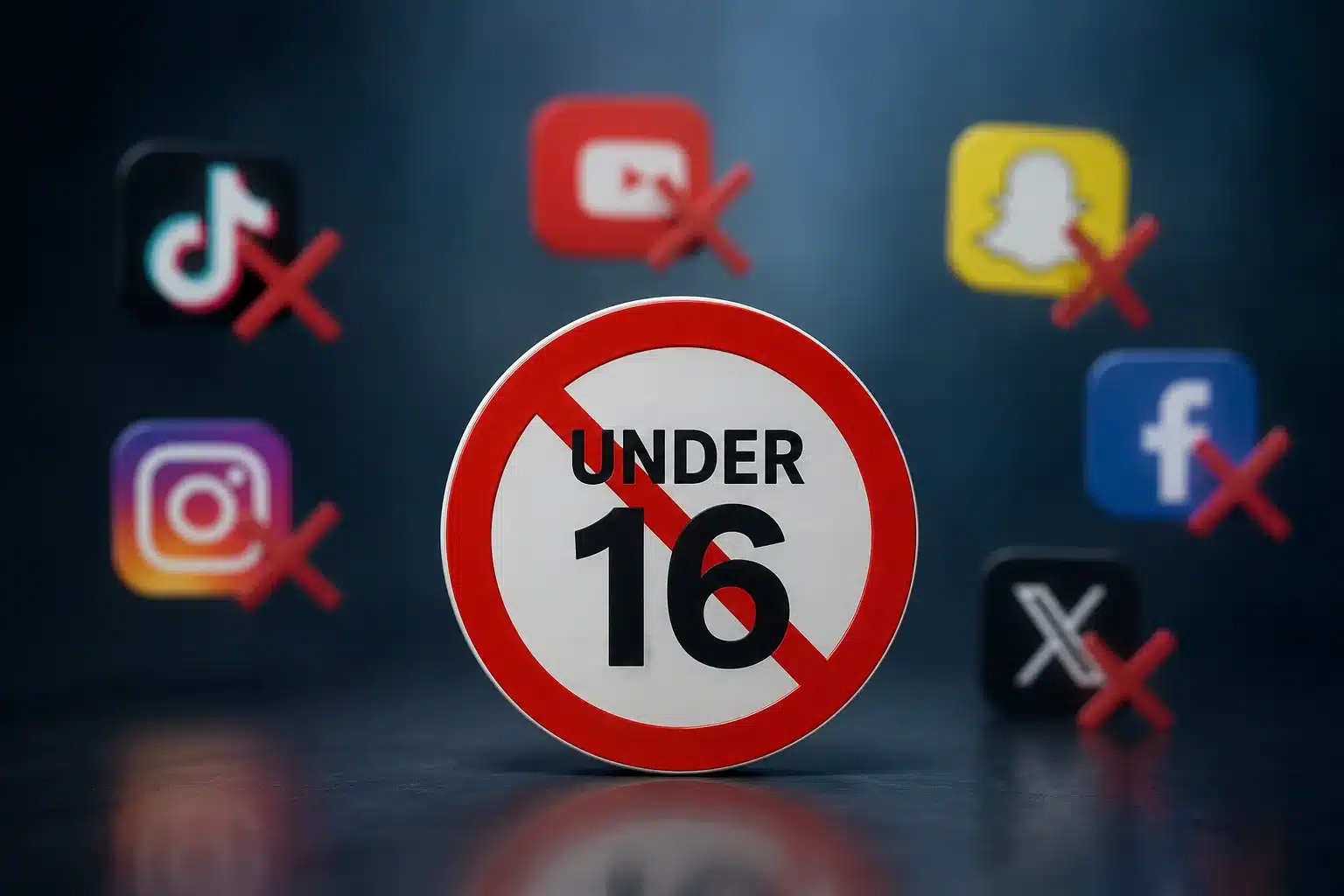
The UK government has announced plans to introduce a UK social media ban for under-16s, preventing children from accessing major platforms such as TikTok, Instagram, Snapchat, Facebook, YouTube and X under a sweeping package of online safety reforms. The measures, expected to be brought before Parliament later this year and enforced from Spring 2027, would make Britain one of the toughest countries in the world when it comes to regulating children’s access to social media.
The proposal is part of a wider government effort to strengthen online child safety and address growing concerns about the impact of social media algorithms, harmful content and excessive screen time on young users.
Prime Minister Keir Starmer described the move as a “line in the sand,” arguing that technology companies have failed to do enough to protect children online.
“Parents want to keep their kids safe and happy, but the online world has made that harder than ever,” Starmer said. “That’s why we’re going further than any country in the world by banning social media for under-16s and putting wider protections in place to give kids their childhood back.”

UK Social Media Ban for Under-16s to Cover Major Platforms
The proposed UK social media ban for under-16s will apply to user-to-user platforms that allow users to interact and share content through algorithm-driven feeds. Platforms expected to fall under the restrictions include TikTok, Instagram, Snapchat, Facebook, YouTube and X.
Messaging services such as WhatsApp and Signal are not expected to be included.

Alongside the ban, the government plans to introduce new restrictions on features considered particularly risky for young users. These include livestreaming functions and communication between children and strangers across a wider range of digital services, including some gaming platforms.
The government is also considering additional safeguards, including overnight access limits and measures designed to interrupt infinite scrolling for users under 18.
AI Chatbots Also Under Scrutiny
The reforms extend beyond social media platforms.
Under the proposed rules, AI-powered “romantic companion” chatbots that simulate intimate or sexual relationships will be required to enforce a minimum age of 18. Similar intimate AI functions will also face restrictions for users under the age of 18.
Officials say the broader approach reflects how children increasingly encounter online risks across multiple digital services rather than solely through social media platforms.
Global Momentum Builds Behind Social Media Age Restrictions
Britain’s announcement comes amid growing international support for tighter social media age restrictions.
Earlier this year, Spain announced plans to prohibit social media access for children under 16. Prime Minister Pedro Sanchez described the internet as a “digital Wild West” and said stronger protections were needed to shield young people from online harm.
France has also moved in a similar direction. In February, French lawmakers approved legislation banning children under 15 from accessing social media platforms. The measure is expected to take effect at the start of the next school year.
French President Emmanuel Macron strongly backed the proposal, stating that children’s development should not be dictated by algorithms designed to maximize engagement.
The developments have fueled debate over whether age-based restrictions could become a standard approach to child online protection across Europe and beyond.
Australia’s Experience Highlights Enforcement Challenges
While support for restrictions is growing, Australia’s experience shows that enforcement remains a major challenge.
The Australia social media ban, introduced under Prime Minister Anthony Albanese, requires platforms to block users under 16 or face fines of up to AU$32 million.
However, recent research suggests many children continue to access restricted platforms despite the rules.
A study conducted by the Molly Rose Foundation and YouthInsight found that more than 60% of children aged 12 to 15 who previously used social media still had access to at least one account. The survey of 1,050 young people showed that 53% of former TikTok users, 53% of YouTube users and 52% of Instagram users remained active after the restrictions were introduced.
Researchers also found evidence that some children created new accounts after the ban came into effect, raising questions about the effectiveness of current age verification systems.
Age Assurance Measures Key to Enforcement
To improve compliance, the UK government plans to introduce stronger age assurance measures and has tasked Ofcom with conducting a rapid review of age-verification technologies.
The regulator will also review its enforcement capabilities, while ministers have pledged additional funding to support implementation of both the proposed regulations and existing provisions under the Online Safety Act.
The announcement follows a national consultation that attracted more than 116,000 responses from parents, children and experts. According to government figures, nine in ten parents support a ban on social media access for children under 16.
If approved, the reforms will mark one of the most significant changes to Britain’s digital safety framework and could further accelerate a global shift toward stricter regulation of children’s online experiences.