





























The first contact often seems harmless, a friendly message, casual conversation, or even a budding online romance. But for many Americans, these interactions mark the beginning of a devastating financial scam. Authorities say these crimes trace back to organized scam centers in Southeast Asia. Now, the FBI in Thailand is working closely with regional partners to dismantle these operations and protect Americans from losing billions of dollars each year.
According to U.S. officials, these scam centers are not small-time operations. Instead, they are large, coordinated criminal enterprises operating out of fortified compounds. Victims are often lured through social media or messaging platforms, where scammers build trust over time.
In some cases, fraudsters pose as romantic partners; in others, they promote cryptocurrency investments, promising quick returns. Weeks or months later, victims find their savings gone, transferred overseas, converted into digital assets, and scattered across complex financial networks.
How Scam Centers Target Americans Through Deception and Trust
Speaking during a Department of State media briefing on February 24, 2026, FBI Deputy Assistant Director Scott Schelble described these scam centers as “industrial-scale fraud operations.” He emphasized that Americans are losing billions of dollars annually, with many victims suffering not only financial ruin but also emotional distress. Retirees, small-business owners, and individuals seeking companionship are among the most frequently targeted.
Schelble explained that these scam centers operate with a structure similar to legitimate corporations. Workers are often recruited through fake job advertisements promising high salaries abroad. Once they arrive, however, their passports are confiscated, and they are forced to work under threat of violence. Armed guards monitor the compounds, and trafficked individuals are made to follow scripted interactions designed to extract as much money as possible from victims.
One of the fastest-growing fraud methods linked to these scam centers is known as “pig butchering.” In this scheme, scammers gradually build relationships with victims, often starting with messages sent to wrong numbers. Over time, they introduce investment opportunities, typically involving cryptocurrency. Victims are shown convincing, but entirely fake, platforms displaying large profits. When they attempt to withdraw funds, they are asked to deposit additional money for fees or taxes. Eventually, the platform disappears, along with their investment.

Americans are losing billions of dollars a year to these types of scams. And in many cases, victims lose their life savings,” Schelble said.
FBI Expands Operations Against Scam Centers in Thailand
Rather than focusing solely on individual scammers, investigators are targeting the broader networks that support these operations. This includes tracking cryptocurrency transactions, identifying financial intermediaries, and collaborating with banks and exchanges to freeze suspicious accounts.
In August 2025, the FBI’s Bangkok office formed a joint task force with the Royal Thai Police to address the issue. The effort has since expanded, with agents rotating into Thailand on six-month assignments to support investigations. Additional personnel have also been deployed with assistance from the U.S. Department of State.

Ben Virtue, the FBI’s law enforcement attaché in Bangkok, highlighted the importance of international cooperation. “We’re working the problem together,” he said. “The Royal Thai Police are true partners in this fight against the organized crime syndicates running these scam compounds. Without their partnership, this would not be possible.”
Recent operations by the task force have yielded good results. Authorities seized more than 8,000 phones and 1,300 hard drives from suspected scam centers, providing valuable evidence for ongoing investigations. In parallel efforts, a major technology company disabled over 150,000 accounts linked to scam networks, while Thai authorities arrested 21 individuals connected to these activities.
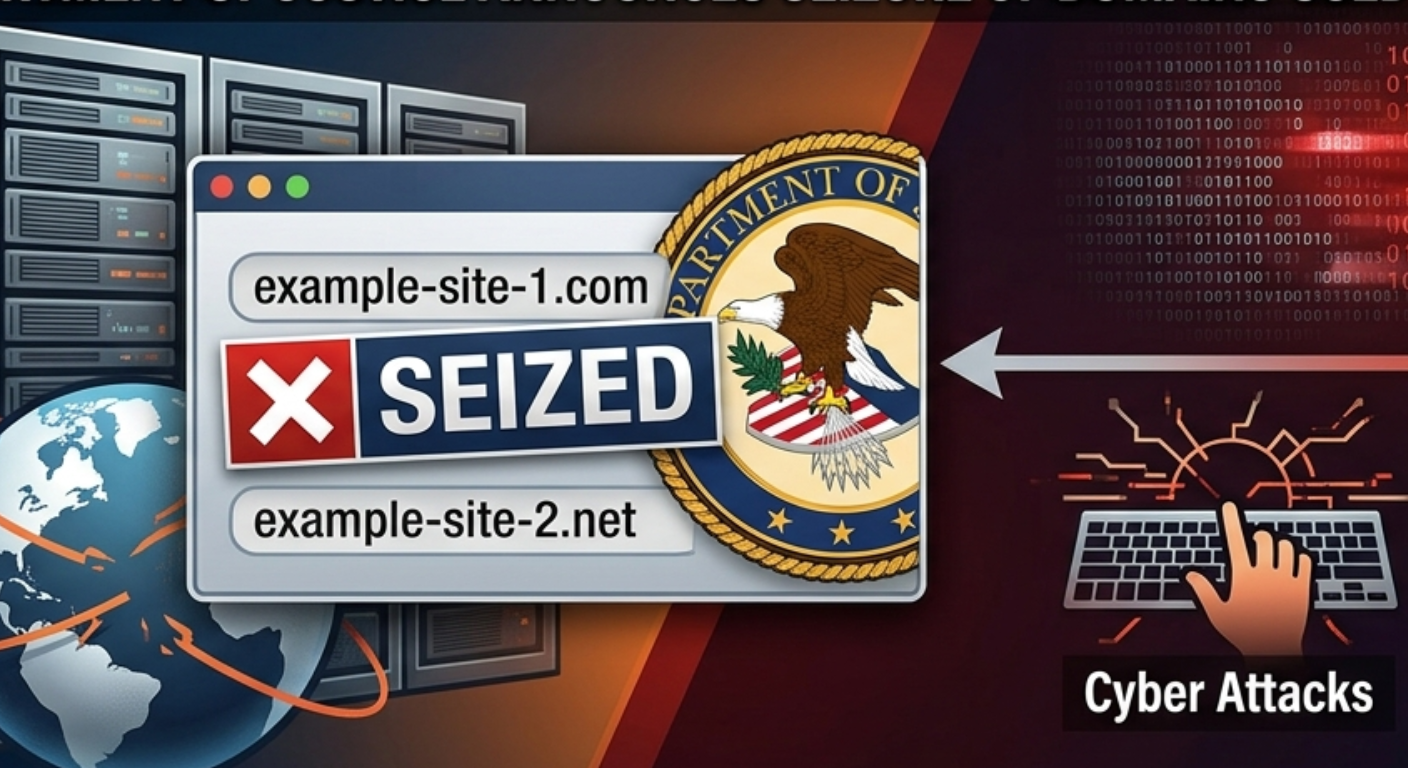
The U.S. Department of Justice has also stepped in, establishing a Scam Center Strike Force in November 2025. The initiative focuses on combating cryptocurrency-related fraud tied to Southeast Asian scam centers. So far, the strike force has frozen and seized more than $580 million in digital assets.