

















• Magazine
  • Firewall Daily
  • Essentials
    • Regulations
    • Compliance
    • Governance
    • Policy Updates
  • Knowledge Hub
  • Features
    • Cyber Warfare
    • Espionage
    • Workforce
      • Learning & Development
  • Business
    • Startups
    • Mergers & Aquisitions
    • Partnerships
    • Appointments
    • Budgets
    • Research
      • Whitepapers
      • Sponsored Content
      • Market Reports
    • Interviews
      • Podcast
  • Events
    • Conference
    • Webinar
    • Endorsed Events
  • Advisory Board
The Cyber Express
  • MagazineDownload
  • Firewall Daily
    • All
    • Bug Bounty & Rewards
    • Dark Web News
    • Data Breach News
    • Hacker News
    • Ransomware News
    • Vulnerabilities
    WorkOS, AI Agent, Prompt Injection, Grok, Grok AI, Gemini, Fraud, Agentic AI, AI-assisted Cyberattacks

    WorkOS Says a Researcher’s Runaway AI Pentest Agent Copied Customer Sales Records

    Nvidia board investigation

    Why Is Nvidia Investigating Its Own CEO, and Can the Board Remove Him?

    weekly roundup

    The Cyber Express Weekly Roundup: FBI Blames North Korea for $6B Binance Hack, Hackers Turn Up the Heat on Europe’s Fridges and More

    Stockal cyberattack

    Stockal Confirms Unauthorized Trades in 13 Customer Accounts

    Alpine Linux servers

    Alpine Linux SSH Flaw Lets Attackers Log In Without a Password

    Queens Public Library ransomware attack

    Ransomware Just Took New York’s Queens Library Offline, and It’s Not the First

    Amadeus cybersecurity incident

    Airline Data Breach Widens as Singapore Airlines Reports 46,000 Affected Records

    refrigeration cyberattacks

    After Supermarket Freezers, Hackers Turn Up the Heat on France’s Blood Supply

    university supercomputer hacking

    Two Canadians Accused of Turning US University Supercomputers Into Crypto Miners

    Trending Tags

    • blackbyte ransomware
    • Ransomware
    • lapsus$ ransomware
    • Apple
    • Apple vulnerability
  • Essentials
    • All
    • Compliance
    • Governance
    • Policy Updates
    • Regulations
    ASD Essentials

    The Essential Eight Is Being Replaced: What Australian Organisations Need to Know

    SICW 2026

    AI Is Now Fighting on Both Sides of the Cyber War, Singapore Warns

    Morocco cybersecurity strategy

    Morocco Flags AI Threats, Prioritizes Critical Infrastructure Defense

    European Police Chiefs Convention 2026

    Europe’s Police Chiefs Face Growing Threat of AI-Driven Crime

    AI service security

    Hackers Are Stealing AI Keys. The Cost Can Reach $600,000

    AI security risks

    Sam Altman at UN Security Council: 6 AI Security Risks the World Cannot Ignore

    AI-enabled cyber attacks

    AI Gives Hackers an Edge Defenders Still Can’t Match, NCSC Warns

    Fraudulent SIM cards

    India’s DoT Warns Citizens Over SIM Fraud and IMEI Tampering

    EU cybersecurity incidents

    EU Cybersecurity Response Hampered by Critical Information Gaps

    • Regulations
    • Compliance
    • Governance
    • Policy Updates
  • Knowledge Hub
    • All
    • How to
    • What is
    Infostealer Intelligence

    The 2026 Infostealer Intelligence Shortlist: Top 10 Vendors Security Teams Should Know

    Google Chrome

    How to Remove Saved Passwords From Google Chrome (And Why You Should)

    DPDP Rules, Cyble, DPDP Act, Cyble Vantage

    How Cyble’s Front-Row Vantage Can Help You in Complying to India’s DPDP Act

    Cybersecurity Countries

    The Top 8 Countries Leading the Cyber Defense Race in 2025

    link building

    The Link Building Secrets Your Competitors Don’t Want You to Know

    Supply Chain Attack

    Supply Chain Resilience and Physical Security: Lessons for 2025

    Healthcare cybersecurity trends of 2024

    Healthcare Cybersecurity: 2024 Was Tough, 2025 May Be Better

    CEO's Guide to Take-Down Services

    Shield Your Organization: CEO’s Perspective on Take-Down Services

    Azure sign-in Microsoft

    Microsoft Announces Mandatory MFA for Azure Sign-ins to Bolster Cloud Defenses

  • Features
    • Cyber Warfare
    • Espionage
    • Workforce
      • Learning & Development
  • Business
    • All
    • Appointments
    • Budgets
    • Mergers & Aquisitions
    • Partnerships
    • Press Release
    • Startups
    Kerala Police Signs MoU With Cyble

    Kerala Police Signs MoU With Cyble to Use Threat Intelligence in Cybercrime Probes

    Gemini 4 Argon

    Gemini 4 Argon Restricted Over Cybersecurity Misuse Risks

    weekly roundup September 18 2026

    The Cyber Express Weekly Roundup: Hiscox’s SMB Warning, a Nintendo Switch Flaw, and a Record Deepfake Takedown

    threat intelligence

    Cyble, UAE Cyber Security Council Unite Against Rising Cyber Threats

    Ukraine cybersecurity

    Zelensky Appoints Ihor Klymenko to Lead Ukraine’s Cybersecurity Center

    UK cyberattack rate

    UK Small Firms Bear Brunt of Rising Cyberattacks, Hiscox Finds

    Cyber Yodha Campaign

    Cyble and DRONA Launch New Push to Close India’s Cybersecurity Gap

    UK Ukraine AI partnership

    Britain Gains Access to Ukraine’s ‘Goldmine’ of Battlefield AI Data

    Hims & Hers lawsuit

    FTC Sues Hims & Hers Over Health Data Privacy, Billing Practices

    • Startups
    • Mergers & Aquisitions
    • Partnerships
    • Appointments
    • Budgets
    • Research
      • Whitepapers
      • Sponsored Content
      • Market Reports
    • Interviews
      • Podcast
  • Events
    • Conference
    • Webinar
    • Endorsed Events
  • Advisory Board
No Result
View All Result
  • MagazineDownload
  • Firewall Daily
    • All
    • Bug Bounty & Rewards
    • Dark Web News
    • Data Breach News
    • Hacker News
    • Ransomware News
    • Vulnerabilities
    WorkOS, AI Agent, Prompt Injection, Grok, Grok AI, Gemini, Fraud, Agentic AI, AI-assisted Cyberattacks

    WorkOS Says a Researcher’s Runaway AI Pentest Agent Copied Customer Sales Records

    Nvidia board investigation

    Why Is Nvidia Investigating Its Own CEO, and Can the Board Remove Him?

    weekly roundup

    The Cyber Express Weekly Roundup: FBI Blames North Korea for $6B Binance Hack, Hackers Turn Up the Heat on Europe’s Fridges and More

    Stockal cyberattack

    Stockal Confirms Unauthorized Trades in 13 Customer Accounts

    Alpine Linux servers

    Alpine Linux SSH Flaw Lets Attackers Log In Without a Password

    Queens Public Library ransomware attack

    Ransomware Just Took New York’s Queens Library Offline, and It’s Not the First

    Amadeus cybersecurity incident

    Airline Data Breach Widens as Singapore Airlines Reports 46,000 Affected Records

    refrigeration cyberattacks

    After Supermarket Freezers, Hackers Turn Up the Heat on France’s Blood Supply

    university supercomputer hacking

    Two Canadians Accused of Turning US University Supercomputers Into Crypto Miners

    Trending Tags

    • blackbyte ransomware
    • Ransomware
    • lapsus$ ransomware
    • Apple
    • Apple vulnerability
  • Essentials
    • All
    • Compliance
    • Governance
    • Policy Updates
    • Regulations
    ASD Essentials

    The Essential Eight Is Being Replaced: What Australian Organisations Need to Know

    SICW 2026

    AI Is Now Fighting on Both Sides of the Cyber War, Singapore Warns

    Morocco cybersecurity strategy

    Morocco Flags AI Threats, Prioritizes Critical Infrastructure Defense

    European Police Chiefs Convention 2026

    Europe’s Police Chiefs Face Growing Threat of AI-Driven Crime

    AI service security

    Hackers Are Stealing AI Keys. The Cost Can Reach $600,000

    AI security risks

    Sam Altman at UN Security Council: 6 AI Security Risks the World Cannot Ignore

    AI-enabled cyber attacks

    AI Gives Hackers an Edge Defenders Still Can’t Match, NCSC Warns

    Fraudulent SIM cards

    India’s DoT Warns Citizens Over SIM Fraud and IMEI Tampering

    EU cybersecurity incidents

    EU Cybersecurity Response Hampered by Critical Information Gaps

    • Regulations
    • Compliance
    • Governance
    • Policy Updates
  • Knowledge Hub
    • All
    • How to
    • What is
    Infostealer Intelligence

    The 2026 Infostealer Intelligence Shortlist: Top 10 Vendors Security Teams Should Know

    Google Chrome

    How to Remove Saved Passwords From Google Chrome (And Why You Should)

    DPDP Rules, Cyble, DPDP Act, Cyble Vantage

    How Cyble’s Front-Row Vantage Can Help You in Complying to India’s DPDP Act

    Cybersecurity Countries

    The Top 8 Countries Leading the Cyber Defense Race in 2025

    link building

    The Link Building Secrets Your Competitors Don’t Want You to Know

    Supply Chain Attack

    Supply Chain Resilience and Physical Security: Lessons for 2025

    Healthcare cybersecurity trends of 2024

    Healthcare Cybersecurity: 2024 Was Tough, 2025 May Be Better

    CEO's Guide to Take-Down Services

    Shield Your Organization: CEO’s Perspective on Take-Down Services

    Azure sign-in Microsoft

    Microsoft Announces Mandatory MFA for Azure Sign-ins to Bolster Cloud Defenses

  • Features
    • Cyber Warfare
    • Espionage
    • Workforce
      • Learning & Development
  • Business
    • All
    • Appointments
    • Budgets
    • Mergers & Aquisitions
    • Partnerships
    • Press Release
    • Startups
    Kerala Police Signs MoU With Cyble

    Kerala Police Signs MoU With Cyble to Use Threat Intelligence in Cybercrime Probes

    Gemini 4 Argon

    Gemini 4 Argon Restricted Over Cybersecurity Misuse Risks

    weekly roundup September 18 2026

    The Cyber Express Weekly Roundup: Hiscox’s SMB Warning, a Nintendo Switch Flaw, and a Record Deepfake Takedown

    threat intelligence

    Cyble, UAE Cyber Security Council Unite Against Rising Cyber Threats

    Ukraine cybersecurity

    Zelensky Appoints Ihor Klymenko to Lead Ukraine’s Cybersecurity Center

    UK cyberattack rate

    UK Small Firms Bear Brunt of Rising Cyberattacks, Hiscox Finds

    Cyber Yodha Campaign

    Cyble and DRONA Launch New Push to Close India’s Cybersecurity Gap

    UK Ukraine AI partnership

    Britain Gains Access to Ukraine’s ‘Goldmine’ of Battlefield AI Data

    Hims & Hers lawsuit

    FTC Sues Hims & Hers Over Health Data Privacy, Billing Practices

    • Startups
    • Mergers & Aquisitions
    • Partnerships
    • Appointments
    • Budgets
    • Research
      • Whitepapers
      • Sponsored Content
      • Market Reports
    • Interviews
      • Podcast
  • Events
    • Conference
    • Webinar
    • Endorsed Events
  • Advisory Board
No Result
View All Result
The Cyber Express
No Result
View All Result

Perseus Android Malware Targets Mobile Banking Users via Fake IPTV Apps

Samiksha Jain by Samiksha Jain
March 20, 2026
in Cyber News, Firewall Daily
0
Perseus Android malware
585
SHARES
3.2k
VIEWS
Share on LinkedInShare on Twitter

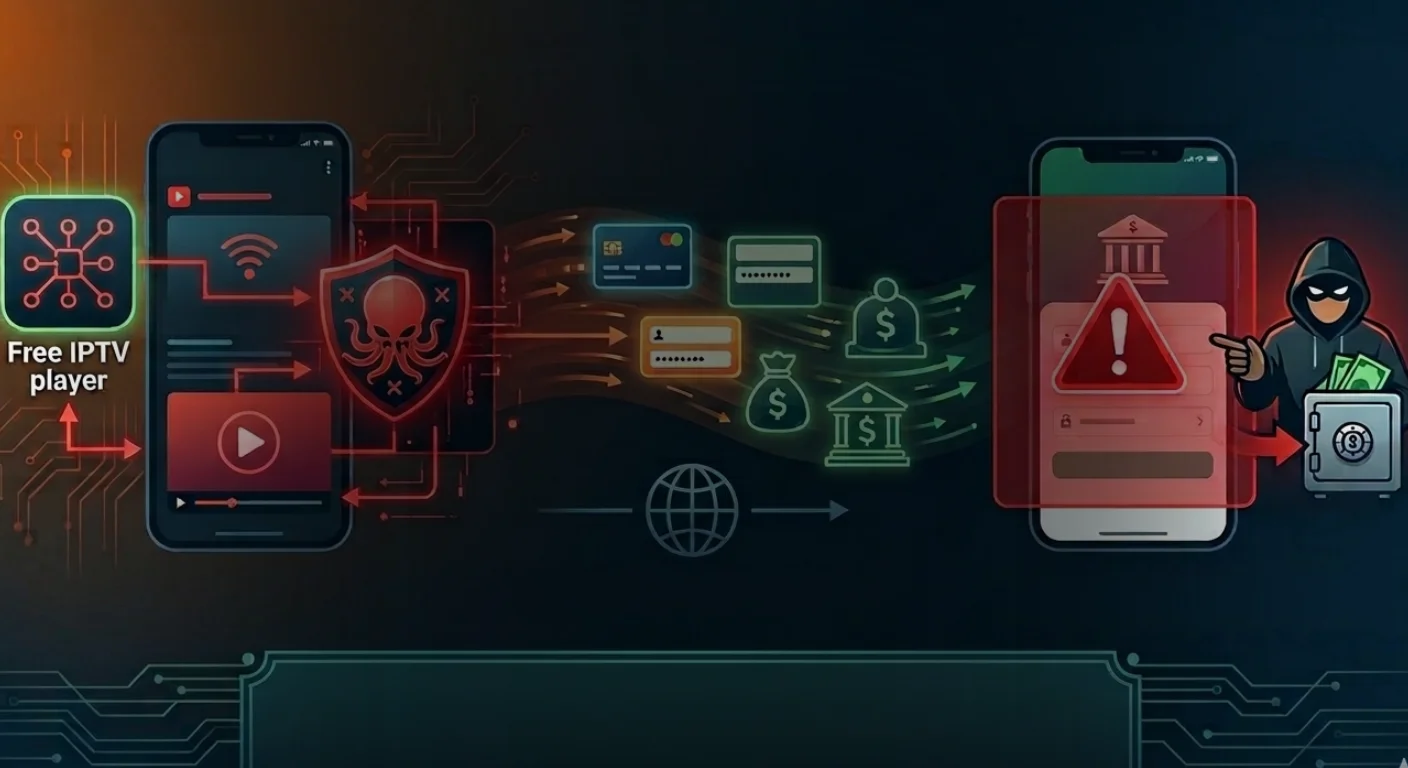
A newly identified strain of Perseus Android malware is quietly infiltrating smartphones by disguising itself as television streaming apps, an approach that says a lot about where mobile threats are headed. According to researchers at ThreatFabric, this Android malware is not just another credential stealer. It is more invasive, more persistent, and far more aware of how people actually use their devices today.

At a time when smartphones double as banking hubs, personal diaries, and authentication tools, the emergence of Perseus Android malware highlights a worrying shift: attackers are no longer just stealing passwords, they are studying users.

Perseus Android Malware Shows Evolution of Mobile Threats

The Perseus Android malware builds on older malware families like Cerberus and Phoenix, but it doesn’t simply replicate them, it refines them. This is part of a broader trend in Android malware, where attackers reuse proven codebases and add targeted enhancements rather than reinventing the wheel.

This evolution matters. Instead of noisy, easily detectable attacks, modern mobile security threats are becoming quieter and more efficient. Perseus, for instance, leverages legitimate Android features like Accessibility Services to maintain control over infected devices. This allows it to operate in ways that mimic normal user behavior, making detection significantly harder.

The result? A malware strain that blends in rather than stands out.

IPTV Apps Malware: A Familiar Trap with Higher Stakes

One of the most notable aspects of the Perseus Android malware is its distribution method. It hides inside IPTV apps, streaming applications that users often download outside official app stores.

This is not accidental. IPTV apps are widely used and frequently sideloaded, especially in regions like Turkey and Italy, which are the primary targets of this campaign. Users are already conditioned to install these apps manually, lowering their guard in the process.

This tactic reflects a growing pattern in IPTV apps malware campaigns. Instead of exploiting technical vulnerabilities, attackers exploit user behavior. It’s a subtle but effective shift—from hacking systems to manipulating habits.

Targeting Notes and Personal Data

What sets the Perseus Android malware apart from typical Android malware is its focus on personal notes. While most malware targets login credentials or banking data, Perseus goes a step further by scanning note-taking applications.

This is a significant escalation. Notes often contain highly sensitive information, passwords, recovery phrases, financial details, and even private thoughts. By accessing this data, attackers gain context, not just credentials.

The malware uses a command called “scan_notes” to systematically open note-taking apps and extract their contents without user interaction. This isn’t just data theft—it’s surveillance.

Full Device Takeover Through Advanced Remote Control

The Perseus Android malware also enables full device takeover using remote control capabilities. Through Accessibility-based sessions, attackers can monitor screens in near real time, capture user inputs, and even overlay fake interfaces to steal sensitive information.

This combination of keylogging and overlay attacks makes it particularly dangerous for mobile banking data theft. Users may believe they are interacting with legitimate banking apps, while in reality, their inputs are being intercepted.

In practical terms, this means attackers can not only access accounts but also initiate and authorize fraudulent transactions.

Strong Evasion Tactics Make Detection Harder

Another reason the Perseus Android malware is concerning is its ability to evade detection. It performs extensive environment checks to determine whether it is running on a real device or within an analysis environment.

It looks for signs like:

  • Presence of debugging tools
  • Emulator characteristics
  • Root access indicators
  • Unrealistic hardware or battery data

If anything seems suspicious, the malware adjusts its behavior or remains dormant. This level of anti-analysis capability shows how far mobile security threats have evolved.

Perseus Android Malware Is a Sign of What’s Coming Next

The Perseus Android malware isn’t just another Android malware campaign—it’s a clear signal of how mobile threats are changing. This isn’t about mass infections anymore; it’s about smarter attacks that quietly blend into everyday app usage.

What stands out is intent. From hiding inside IPTV apps to scanning personal notes and enabling full device control, Perseus Android malware shows that attackers are no longer satisfied with just stealing passwords. They want deeper access—context, behavior, and control.

That shift should not be underestimated. When malware starts targeting how people actually use their phones, not just what they store, the risk becomes harder to spot and even harder to stop.

For users, this reinforces a simple but often ignored reality: sideloading apps comes with real consequences. And for security teams, it’s another reminder that mobile threat detection needs to go beyond traditional indicators.

Perseus Android malware may be built on older code, but its execution feels current—and that’s exactly why it matters.

Share this:

  • Share on LinkedIn (Opens in new window) LinkedIn
  • Share on Reddit (Opens in new window) Reddit
  • Share on X (Opens in new window) X
  • Share on Facebook (Opens in new window) Facebook
  • More
  • Email a link to a friend (Opens in new window) Email
  • Share on WhatsApp (Opens in new window) WhatsApp

Related

Tags: Advanced Remote ControlIPTV Apps MalwareIPTV apps malware campaignsMobile ThreatsPerseus Android MalwareThe Cyber ExpressThe Cyber Express News
Previous Post

Cyble Partners with Optiv to Bring Digital Risk Protection into MSSP Operations

Next Post

Pixel Watch Users Report Inflated Steps, Missing SpO2 Data

Next Post
Pixel firmware update

Pixel Watch Users Report Inflated Steps, Missing SpO2 Data

Q1 2026 Threat Reports

❮ ❯
Cyble-Vision


Follow Us On Google News

Categories

  • Privacy Statement
  • Terms of Use
  • Write For Us

© 2026 The Cyber Express - Cybersecurity News and Magazine.

Welcome Back!

Login to your account below

Forgotten Password?

Retrieve your password

Please enter your username or email address to reset your password.

Log In

Add New Playlist

No Result
View All Result
  • Magazine
  • Firewall Daily
  • Essentials
    • Regulations
    • Compliance
    • Governance
    • Policy Updates
  • Knowledge Hub
  • Features
    • Cyber Warfare
    • Espionage
    • Workforce
      • Learning & Development
  • Business
    • Startups
    • Mergers & Aquisitions
    • Partnerships
    • Appointments
    • Budgets
    • Research
      • Whitepapers
      • Sponsored Content
      • Market Reports
    • Interviews
      • Podcast
  • Events
    • Conference
    • Webinar
    • Endorsed Events
  • Advisory Board

© 2026 The Cyber Express - Cybersecurity News and Magazine.

-
00:00
00:00

Queue

Update Required Flash plugin
-
00:00
00:00