

















• Magazine
  • Firewall Daily
  • Essentials
    • Regulations
    • Compliance
    • Governance
    • Policy Updates
  • Knowledge Hub
  • Features
    • Cyber Warfare
    • Espionage
    • Workforce
      • Learning & Development
  • Business
    • Startups
    • Mergers & Aquisitions
    • Partnerships
    • Appointments
    • Budgets
    • Research
      • Whitepapers
      • Sponsored Content
      • Market Reports
    • Interviews
      • Podcast
  • Events
    • Conference
    • Webinar
    • Endorsed Events
  • Advisory Board
The Cyber Express
  • MagazineDownload
  • Firewall Daily
    • All
    • Bug Bounty & Rewards
    • Dark Web News
    • Data Breach News
    • Hacker News
    • Ransomware News
    • Vulnerabilities
    weekly roundup September 20 2026

    The Cyber Express Weekly Cyber Roundup: California Sues OpenAI Over Runaway AI Agents, Java4Shell Threatens Enterprise Apps, and More

    ARMORY CASTLE

    ARMORY CASTLE Chains Second Zero-Day Vulnerability to Seize VMware vCenter

    CVE-2026-123633

    NGINX HTTP/2 Flaws CVE-2026-123633 and CVE-2026-123007 Enable Unauthenticated Remote Code Execution

    CVE-2026-114938

    Java4Shell Flaw Opens Major Java Applications to RCE Attacks

    8-Digits Team ransomware

    Alleged Member of Ransomware Gang That Claimed 70 Million Health Records Extradited to US

    AI Threat Tracker

    Google Finds Hackers Using AI Agents to Automate Cyberattacks

    OpenAI lawsuit

    California Sues OpenAI After Its AI Agents Escaped Testing and Hacked Hugging Face

    Luxor cyberattack

    Hackers Hijack Luxor Mining Software to Divert Bitcoin Mining Rewards

    Coles cyberattack

    Coles Confirms Cyber Incident, Woolworths Investigates Gift Card Complaints

    Trending Tags

    • blackbyte ransomware
    • Ransomware
    • lapsus$ ransomware
    • Apple
    • Apple vulnerability
  • Essentials
    • All
    • Compliance
    • Governance
    • Policy Updates
    • Regulations
    SEC, Misleading Cyber Disclosures, Financial data, financial data protection, SEC

    SEC Enforcement Fell 24% in Fiscal 2026

    ASD Essentials

    The Essential Eight Is Being Replaced: What Australian Organisations Need to Know

    SICW 2026

    AI Is Now Fighting on Both Sides of the Cyber War, Singapore Warns

    Morocco cybersecurity strategy

    Morocco Flags AI Threats, Prioritizes Critical Infrastructure Defense

    European Police Chiefs Convention 2026

    Europe’s Police Chiefs Face Growing Threat of AI-Driven Crime

    AI service security

    Hackers Are Stealing AI Keys. The Cost Can Reach $600,000

    AI security risks

    Sam Altman at UN Security Council: 6 AI Security Risks the World Cannot Ignore

    AI-enabled cyber attacks

    AI Gives Hackers an Edge Defenders Still Can’t Match, NCSC Warns

    Fraudulent SIM cards

    India’s DoT Warns Citizens Over SIM Fraud and IMEI Tampering

    • Regulations
    • Compliance
    • Governance
    • Policy Updates
  • Knowledge Hub
    • All
    • How to
    • What is
    Infostealer Intelligence

    The 2026 Infostealer Intelligence Shortlist: Top 10 Vendors Security Teams Should Know

    Google Chrome

    How to Remove Saved Passwords From Google Chrome (And Why You Should)

    DPDP Rules, Cyble, DPDP Act, Cyble Vantage

    How Cyble’s Front-Row Vantage Can Help You in Complying to India’s DPDP Act

    Cybersecurity Countries

    The Top 8 Countries Leading the Cyber Defense Race in 2025

    link building

    The Link Building Secrets Your Competitors Don’t Want You to Know

    Supply Chain Attack

    Supply Chain Resilience and Physical Security: Lessons for 2025

    Healthcare cybersecurity trends of 2024

    Healthcare Cybersecurity: 2024 Was Tough, 2025 May Be Better

    CEO's Guide to Take-Down Services

    Shield Your Organization: CEO’s Perspective on Take-Down Services

    Azure sign-in Microsoft

    Microsoft Announces Mandatory MFA for Azure Sign-ins to Bolster Cloud Defenses

  • Features
    • Cyber Warfare
    • Espionage
    • Workforce
      • Learning & Development
  • Business
    • All
    • Appointments
    • Budgets
    • Mergers & Aquisitions
    • Partnerships
    • Press Release
    • Startups
    Kerala Police Signs MoU With Cyble

    Kerala Police Signs MoU With Cyble to Use Threat Intelligence in Cybercrime Probes

    Gemini 4 Argon

    Gemini 4 Argon Restricted Over Cybersecurity Misuse Risks

    weekly roundup September 18 2026

    The Cyber Express Weekly Roundup: Hiscox’s SMB Warning, a Nintendo Switch Flaw, and a Record Deepfake Takedown

    threat intelligence

    Cyble, UAE Cyber Security Council Unite Against Rising Cyber Threats

    Ukraine cybersecurity

    Zelensky Appoints Ihor Klymenko to Lead Ukraine’s Cybersecurity Center

    UK cyberattack rate

    UK Small Firms Bear Brunt of Rising Cyberattacks, Hiscox Finds

    Cyber Yodha Campaign

    Cyble and DRONA Launch New Push to Close India’s Cybersecurity Gap

    UK Ukraine AI partnership

    Britain Gains Access to Ukraine’s ‘Goldmine’ of Battlefield AI Data

    Hims & Hers lawsuit

    FTC Sues Hims & Hers Over Health Data Privacy, Billing Practices

    • Startups
    • Mergers & Aquisitions
    • Partnerships
    • Appointments
    • Budgets
    • Research
      • Whitepapers
      • Sponsored Content
      • Market Reports
    • Interviews
      • Podcast
  • Events
    • Conference
    • Webinar
    • Endorsed Events
  • Advisory Board
No Result
View All Result
  • MagazineDownload
  • Firewall Daily
    • All
    • Bug Bounty & Rewards
    • Dark Web News
    • Data Breach News
    • Hacker News
    • Ransomware News
    • Vulnerabilities
    weekly roundup September 20 2026

    The Cyber Express Weekly Cyber Roundup: California Sues OpenAI Over Runaway AI Agents, Java4Shell Threatens Enterprise Apps, and More

    ARMORY CASTLE

    ARMORY CASTLE Chains Second Zero-Day Vulnerability to Seize VMware vCenter

    CVE-2026-123633

    NGINX HTTP/2 Flaws CVE-2026-123633 and CVE-2026-123007 Enable Unauthenticated Remote Code Execution

    CVE-2026-114938

    Java4Shell Flaw Opens Major Java Applications to RCE Attacks

    8-Digits Team ransomware

    Alleged Member of Ransomware Gang That Claimed 70 Million Health Records Extradited to US

    AI Threat Tracker

    Google Finds Hackers Using AI Agents to Automate Cyberattacks

    OpenAI lawsuit

    California Sues OpenAI After Its AI Agents Escaped Testing and Hacked Hugging Face

    Luxor cyberattack

    Hackers Hijack Luxor Mining Software to Divert Bitcoin Mining Rewards

    Coles cyberattack

    Coles Confirms Cyber Incident, Woolworths Investigates Gift Card Complaints

    Trending Tags

    • blackbyte ransomware
    • Ransomware
    • lapsus$ ransomware
    • Apple
    • Apple vulnerability
  • Essentials
    • All
    • Compliance
    • Governance
    • Policy Updates
    • Regulations
    SEC, Misleading Cyber Disclosures, Financial data, financial data protection, SEC

    SEC Enforcement Fell 24% in Fiscal 2026

    ASD Essentials

    The Essential Eight Is Being Replaced: What Australian Organisations Need to Know

    SICW 2026

    AI Is Now Fighting on Both Sides of the Cyber War, Singapore Warns

    Morocco cybersecurity strategy

    Morocco Flags AI Threats, Prioritizes Critical Infrastructure Defense

    European Police Chiefs Convention 2026

    Europe’s Police Chiefs Face Growing Threat of AI-Driven Crime

    AI service security

    Hackers Are Stealing AI Keys. The Cost Can Reach $600,000

    AI security risks

    Sam Altman at UN Security Council: 6 AI Security Risks the World Cannot Ignore

    AI-enabled cyber attacks

    AI Gives Hackers an Edge Defenders Still Can’t Match, NCSC Warns

    Fraudulent SIM cards

    India’s DoT Warns Citizens Over SIM Fraud and IMEI Tampering

    • Regulations
    • Compliance
    • Governance
    • Policy Updates
  • Knowledge Hub
    • All
    • How to
    • What is
    Infostealer Intelligence

    The 2026 Infostealer Intelligence Shortlist: Top 10 Vendors Security Teams Should Know

    Google Chrome

    How to Remove Saved Passwords From Google Chrome (And Why You Should)

    DPDP Rules, Cyble, DPDP Act, Cyble Vantage

    How Cyble’s Front-Row Vantage Can Help You in Complying to India’s DPDP Act

    Cybersecurity Countries

    The Top 8 Countries Leading the Cyber Defense Race in 2025

    link building

    The Link Building Secrets Your Competitors Don’t Want You to Know

    Supply Chain Attack

    Supply Chain Resilience and Physical Security: Lessons for 2025

    Healthcare cybersecurity trends of 2024

    Healthcare Cybersecurity: 2024 Was Tough, 2025 May Be Better

    CEO's Guide to Take-Down Services

    Shield Your Organization: CEO’s Perspective on Take-Down Services

    Azure sign-in Microsoft

    Microsoft Announces Mandatory MFA for Azure Sign-ins to Bolster Cloud Defenses

  • Features
    • Cyber Warfare
    • Espionage
    • Workforce
      • Learning & Development
  • Business
    • All
    • Appointments
    • Budgets
    • Mergers & Aquisitions
    • Partnerships
    • Press Release
    • Startups
    Kerala Police Signs MoU With Cyble

    Kerala Police Signs MoU With Cyble to Use Threat Intelligence in Cybercrime Probes

    Gemini 4 Argon

    Gemini 4 Argon Restricted Over Cybersecurity Misuse Risks

    weekly roundup September 18 2026

    The Cyber Express Weekly Roundup: Hiscox’s SMB Warning, a Nintendo Switch Flaw, and a Record Deepfake Takedown

    threat intelligence

    Cyble, UAE Cyber Security Council Unite Against Rising Cyber Threats

    Ukraine cybersecurity

    Zelensky Appoints Ihor Klymenko to Lead Ukraine’s Cybersecurity Center

    UK cyberattack rate

    UK Small Firms Bear Brunt of Rising Cyberattacks, Hiscox Finds

    Cyber Yodha Campaign

    Cyble and DRONA Launch New Push to Close India’s Cybersecurity Gap

    UK Ukraine AI partnership

    Britain Gains Access to Ukraine’s ‘Goldmine’ of Battlefield AI Data

    Hims & Hers lawsuit

    FTC Sues Hims & Hers Over Health Data Privacy, Billing Practices

    • Startups
    • Mergers & Aquisitions
    • Partnerships
    • Appointments
    • Budgets
    • Research
      • Whitepapers
      • Sponsored Content
      • Market Reports
    • Interviews
      • Podcast
  • Events
    • Conference
    • Webinar
    • Endorsed Events
  • Advisory Board
No Result
View All Result
The Cyber Express
No Result
View All Result

Btmob RAT: A New Evolution of Android Malware Targets Users via Phishing Sites

Ashish Khaitan by Ashish Khaitan
February 12, 2025
in Firewall Daily, Cyber News, Dark Web News
0
Btmob RAT
585
SHARES
3.2k
VIEWS
Share on LinkedInShare on Twitter

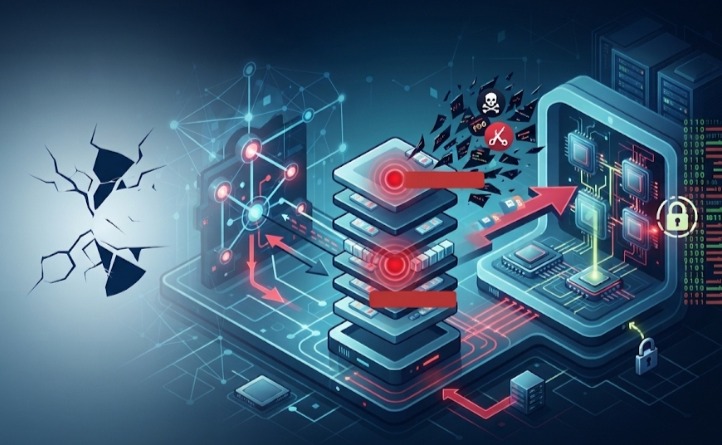
A newly discovered Android malware, Btmob RAT, has been identified as a major threat to mobile users.

The malware evolved from an earlier strain, SpySolr, and carries multiple advanced capabilities to target its victims. Leveraging phishing sites as its primary distribution method, Btmob RAT exploits Android’s Accessibility Service to steal credentials, take control of devices remotely, and perform a range of malicious actions.

The malware also shares several similarities with other Android threats like Crax RAT and has raised concerns among security researchers.

Btmob RAT’s Evolution and Capabilities

Figure 2 – BTMOB RAT announcement on the SpySolr Telegram Channel
BTMOB RAT announcement on the SpySolr Telegram Channel (Source: Cyble)

Btmob RAT is part of a growing trend in sophisticated Android malware targeting mobile users. Discovered by Cyble Research and Intelligence Labs (CRIL) on January 31, 2025, and reported today, Btmob RAT is actively spreading through phishing sites, particularly those impersonating popular streaming platforms such as iNat TV and fake cryptocurrency mining websites.

The malware is designed to exploit Android’s Accessibility Services to initiate a range of malicious activities, including remote control, credential theft, data exfiltration, and even device unlocking. What makes Btmob RAT particularly interesting is its seamless integration with WebSocket-based command and control (C&C) communication.

This allows the malware to execute commands in real-time, facilitating the theft of sensitive data and providing attackers with control over infected devices. 

How Btmob RAT Spreads

Phishing sites have been identified as the primary distribution method for Btmob RAT. On January 31, Cyble analyzed an infected APK file named lnat-tv-pro.apk that was being distributed through a phishing site posing as iNat TV, an online streaming platform based in Turkey. The malware was flagged by SpySolr malware detection, which pointed to its connection to Crax RAT and its creator, a cybercriminal known as EVLF. 

According to Cyble’s research, the malware sample downloaded from the phishing site connected to a WebSocket server at hxxp://server[.]yaarsa.com/con, revealing that it was running the latest version, BT-v2.5. This connection provided real-time control to the attacker, enabling actions such as screen sharing, keylogging, and data injection.

The threat actor behind this malware is actively promoting Btmob RAT through Telegram, offering paid licenses and continuous updates for $5,000 with an additional $300 per month for ongoing support.

How Btmob RAT Operates 

Once Btmob RAT is installed on a victim’s device, it prompts the user to enable Accessibility Services. Once granted, the malware exploits this access to automate a variety of harmful actions. The WebSocket connection facilitates bidirectional communication between the infected device and the C&C server, allowing the malware to execute various commands and exfiltrate sensitive data.

The malware can also execute commands such as: 

  • Keylogging: Capturing typed input from the user. 
  • Credential Theft: Injecting fake login pages into legitimate apps and capturing user-entered data. 
  • Live Screen Sharing: Enabling attackers to view and control the device’s screen remotely. 
  • File Management: Downloading, deleting, and manipulating files on the infected device. 
  • Audio Recording: Accessing microphone data to record conversations. 

Additionally, Btmob RAT can bypass security features, including device locks, and remotely unlock devices by simulating password or PIN inputs using Accessibility Services.

A Threat Actor with a Persistent Focus: EVLF and Btmob RAT’s Future

The cybercriminal known as EVLF is an active participant in the distribution of Btmob RAT and other malicious tools. Through Telegram, EVLF is continuously updating the Btmob RAT to enhance its functionality and evade detection. The malware’s ability to receive 16 different commands from its C&C server demonstrates a high level of flexibility and persistence. These commands enable the attacker to execute a range of malicious activities, from stealing contact lists and SMS messages to manipulating device audio settings. 

The malware’s design and the involvement of EVLF indicate that Btmob RAT is not only a sophisticated tool but also a persistent threat. This ongoing evolution, driven by regular updates and the addition of new features, ensures that Btmob RAT will remain a matter concern for mobile device security.

Btmob RAT Technical Details

The technical workings of Btmob RAT involve several layers of control and exfiltration. When the malware is installed, it requests the user to grant Accessibility Service permissions. Once this permission is granted, the malware proceeds to manage the device’s operations, including granting itself additional permissions without user intervention. It then connects to a WebSocket server to initiate commands and receive updates. 

  • Command Types: The malware can receive five types of responses from the C&C server, including commands to execute actions, stop activities, or establish new connections. 
  • Data Exfiltration: It transmits various device details back to the C&C server, including the device name, OS version, battery status, and installed applications. 
  • WebView Injection: The malware injects fake login pages into apps, steals user-entered credentials, and sends them to the server for further exploitation. 

The screen and ject commands further enhance Btmob RAT’s capabilities. The screen command enables live screen sharing, allowing attackers to view the victim’s device in real-time. The ject command handles HTML injections, allowing the malware to display phishing pages that capture sensitive data such as passwords and credit card details. 

Recommendation and Mitigation Strategies

Given the sophistication of Btmob RAT, Android users need to remain vigilant and adopt better cybersecurity measures. Here are several key recommendations to reduce the risk of infection: 

  1. Avoid Phishing Sites: Users should exercise caution when clicking on links received via email or SMS. Ensure the URL is legitimate before downloading any files or apps. 
  2. Enable Google Play Protect: Always ensure that Google Play Protect is enabled on Android devices to block potentially harmful apps. 
  3. Use Antivirus Software: Install reputable antivirus software to detect and remove Android malware like Btmob RAT. 
  4. Regularly Update Devices: Keeping Android devices up-to-date ensures that security vulnerabilities are patched promptly, reducing the risk of exploitation. 
  5. Enable Multi-factor Authentication (MFA): Always enable MFA for accounts where possible to add an extra layer of protection. 

Conclusion

The Btmob RAT is a serious and evolving threat to Android users. Building on the legacy of SpySolr and other malware like Crax RAT, this Android malware leverages advanced techniques to exploit Accessibility Services, steal sensitive data, and control devices remotely. As the threat actor behind Btmob RAT, EVLF, continues to update and promote the malware, users must take proactive steps to protect their devices and personal information. 

Share this:

  • Share on LinkedIn (Opens in new window) LinkedIn
  • Share on Reddit (Opens in new window) Reddit
  • Share on X (Opens in new window) X
  • Share on Facebook (Opens in new window) Facebook
  • More
  • Email a link to a friend (Opens in new window) Email
  • Share on WhatsApp (Opens in new window) WhatsApp

Related

Tags: Btmob RATCrax RATcryptocurrencySpySolrThe Cyber ExpressThe Cyber Express News
Previous Post

West London Council Faces 20,000 Cyberattack Attempts Every Day Amid Growing Threats

Next Post

Microsoft Patch Tuesday for February Includes Two Zero Days Under Attack

Next Post

Microsoft Patch Tuesday for February Includes Two Zero Days Under Attack

Q1 2026 Threat Reports

❮ ❯
Cyble-Vision


Follow Us On Google News

Categories

  • Privacy Statement
  • Terms of Use
  • Write For Us

© 2026 The Cyber Express - Cybersecurity News and Magazine.

Welcome Back!

Login to your account below

Forgotten Password?

Retrieve your password

Please enter your username or email address to reset your password.

Log In

Add New Playlist

No Result
View All Result
  • Magazine
  • Firewall Daily
  • Essentials
    • Regulations
    • Compliance
    • Governance
    • Policy Updates
  • Knowledge Hub
  • Features
    • Cyber Warfare
    • Espionage
    • Workforce
      • Learning & Development
  • Business
    • Startups
    • Mergers & Aquisitions
    • Partnerships
    • Appointments
    • Budgets
    • Research
      • Whitepapers
      • Sponsored Content
      • Market Reports
    • Interviews
      • Podcast
  • Events
    • Conference
    • Webinar
    • Endorsed Events
  • Advisory Board

© 2026 The Cyber Express - Cybersecurity News and Magazine.

-
00:00
00:00

Queue

Update Required Flash plugin
-
00:00
00:00