






















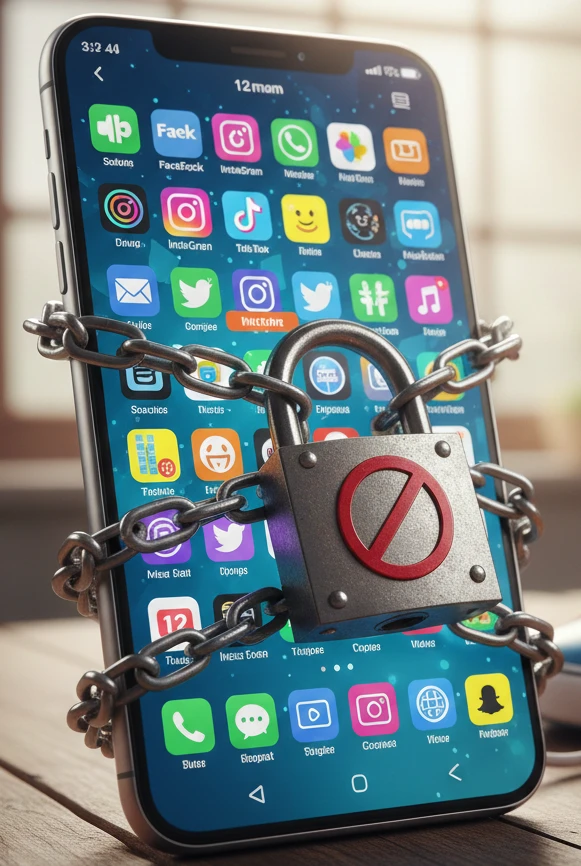
Just weeks after Australia rolled out the world’s first nationwide social media ban for children under 16, the British government has signaled it may follow a similar path. On Monday, Prime Minister Keir Starmer said the UK is considering a social media ban for children aged 15 and under, warning that “no option is off the table” as ministers confront growing concerns about young people’s online wellbeing.
The move places the British government ban social media proposal at the center of a broader national debate about the role of technology in childhood.
Officials said they are studying a wide range of measures, including tougher age checks, phone curfews, restrictions on addictive platform features, and potentially raising the digital age of consent.
UK Explores Stricter Limits on Social Media Ban for Children
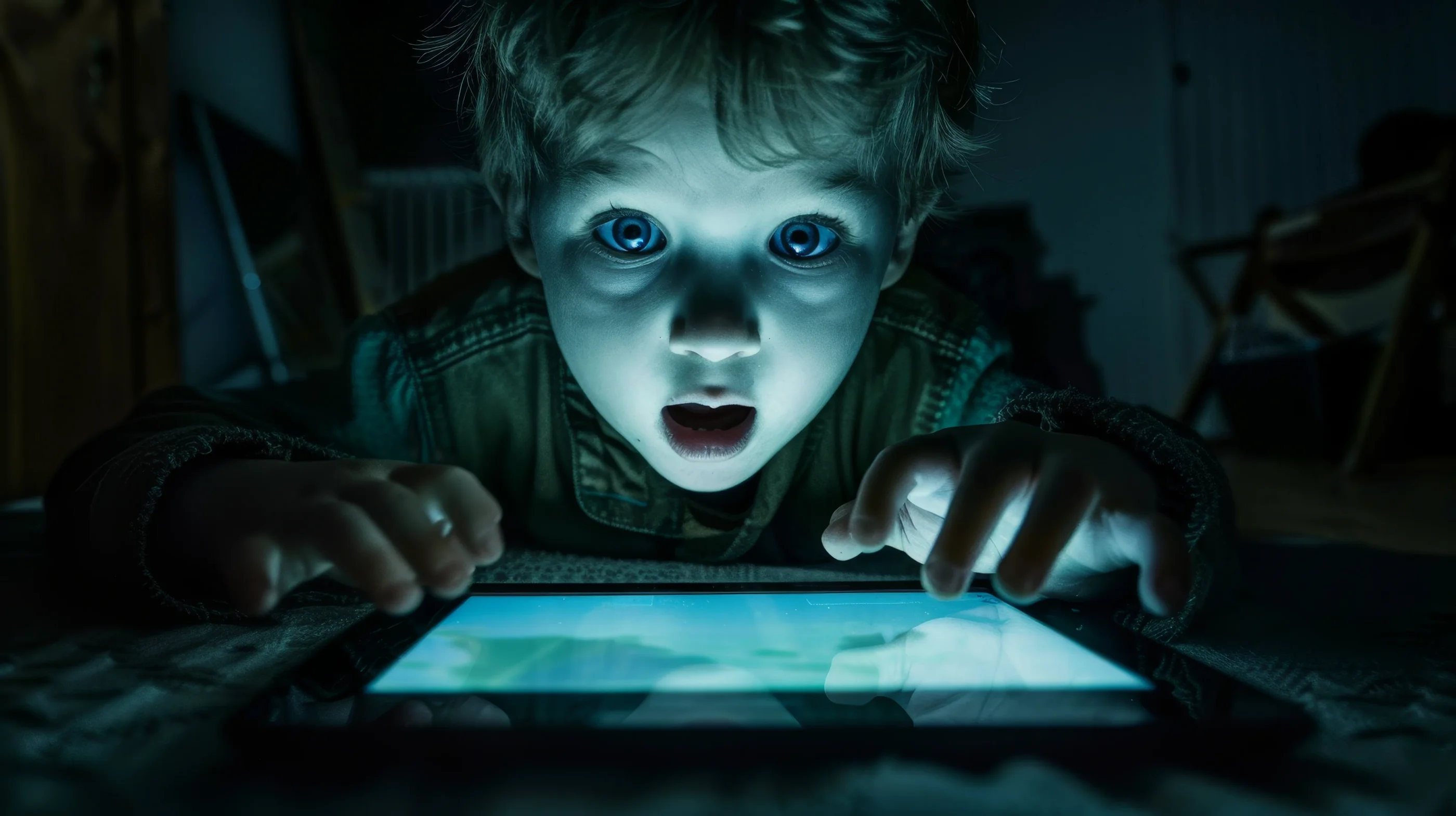
In a Substack post on Tuesday, Starmer said that for many children, social media has become “a world of endless scrolling, anxiety and comparison.” “Being a child should not be about constant judgement from strangers or the pressure to perform for likes,” he wrote.
Alongside the possible ban, the government has launched a formal consultation on children’s use of technology. The review will examine whether a social media ban for children would be effective and, if introduced, how it could be enforced. Ministers will also look at improving age assurance technology and limiting design features such as “infinite scrolling” and “streaks,” which officials say encourage compulsive use.
The consultation will be backed by a nationwide conversation with parents, young people, and civil society groups. The government said it would respond to the consultation in the summer.

Learning from Australia’s Unprecedented Move
British ministers are set to visit Australia to “learn first-hand from their approach,” referencing Canberra’s decision to ban social media for children under 16. The Australian law, which took effect on December 10, requires platforms such as Instagram, Facebook, X, Snapchat, TikTok, Reddit, Twitch, Kick, Threads, and YouTube to block underage users or face fines of up to AU$32 million.
Prime Minister Anthony Albanese made clear why his government acted. “Social media is doing harm to our kids, and I’m calling time on it,” he said. “I’ve spoken to thousands of parents… they’re worried sick about the safety of our kids online, and I want Australian families to know that the Government has your back.”
Parents and children are not penalized under the Australian rules; enforcement targets technology companies.
Early figures suggest significant impact. Australia’s eSafety Commissioner Julie Inman-Grant said 4.7 million social media accounts were deactivated in the first week of the policy. To put that in context, there are about 2.5 million Australians aged eight to 15.
“This is exactly what we hoped for and expected: early wins through focused deactivations,” she said, adding that “absolute perfection is not a realistic goal,” but the law aims to delay exposure, reduce harm, and set a clear social norm.
UK Consultation and School Phone Bans
The UK’s proposals go beyond a possible social media ban. The government said it will examine raising the digital age of consent, introducing phone curfews, and restricting addictive platform features. It also announced tougher guidance for schools, making it clear that pupils should not have access to mobile phones during lessons, breaks, or lunch.
Ofsted inspectors will now check whether mobile phone bans are properly enforced during school inspections. Schools struggling to implement bans will receive one-to-one support from Attendance and Behaviour Hub schools.
Although nearly all UK schools already have phone policies—99.9% of primary schools and 90% of secondary schools—58% of secondary pupils reported phones being used without permission in some lessons.
Education Secretary Bridget Phillipson said: “Mobile phones have no place in schools. No ifs, no buts.”
Building on Existing Online Safety Laws
Technology Secretary Liz Kendall said the government is prepared to take further action beyond the Online Safety Act.
“These laws were never meant to be the end point, and we know parents still have serious concerns,” she said. “We are determined to ensure technology enriches children’s lives, not harms them.”
The Online Safety Act has already introduced age checks for adult sites and strengthened rules around harmful content. The government said children encountering age checks online has risen from 30% to 47%, and 58% of parents believe the measures are improving safety.
The proposed British government ban social media initiative would build on this framework, focusing on features that drive excessive use regardless of content. Officials said evidence from around the world will be examined as they consider whether a UK-wide social media ban for children could work in practice.
As Australia’s experience begins to unfold, the UK is positioning itself to decide whether similar restrictions could reshape how children engage with digital platforms. The consultation marks the start of what ministers describe as a long-term effort to ensure young people develop a healthier relationship with technology.