





























With the Milan-Cortina Winter Olympics just hours from opening, Russian cyberattacks have forced Italian authorities into a full-scale security response that blends digital defence with boots on the ground. Italy confirmed this week that it successfully thwarted a coordinated wave of cyber incidents targeting government infrastructure and Olympic-linked sites, exposing how global sporting events are now frontline targets in geopolitical conflict.
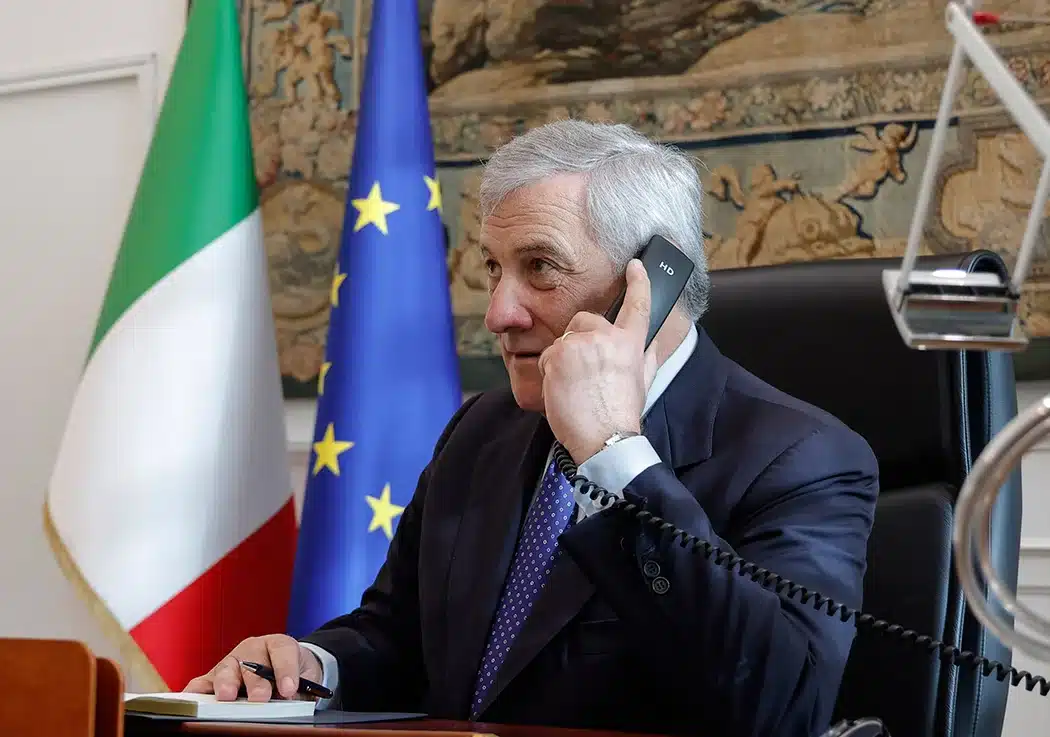
Italian Foreign Minister Antonio Tajani revealed that the Russian cyberattacks hit around 120 websites, including Italy’s foreign ministry offices abroad and several Winter Olympics-related locations, such as hotels in Cortina d’Ampezzo.
While officials insist the attacks were “effectively neutralised,” the timing sends a clear message: cyber operations are now as much a part of Olympic security planning as physical threats.
Russian Cyberattacks and the Olympics: A Political Signal
According to Tajani, the attacks began with foreign ministry offices, including Italy’s embassy in Washington, before spreading to Olympic-linked infrastructure. A Russian hacker group known as Noname057 claimed responsibility, framing the Russian cyberattacks as retaliation for Italy’s political support for Ukraine.
In a statement shared on Telegram, the group warned that Italy’s “pro-Ukrainian course” would be met with DDoS attacks—described provocatively as “missiles”—against Italian websites. While AFP could not independently verify the group’s identity, cybersecurity analysts noted that the tactics and messaging align with previous operations attributed to the same network.
DDoS attacks may seem unsophisticated compared to advanced espionage campaigns, but their impact during high-profile events like the Olympics is strategic. Disrupting hotel websites, travel systems, or government portals creates confusion, undermines confidence, and grabs headlines—all without crossing into kinetic conflict.

Digital Threats Meet Physical Security Lockdown
Italy’s response to the Russian cyberattacks has been layered and aggressive. More than 6,000 police officers and nearly 2,000 military personnel have been deployed across Olympic venues stretching from Milan to the Dolomites. Snipers, bomb disposal units, counterterrorism teams, and even skiing police are now part of the security landscape.
The defence ministry has added drones, radars, aircraft, and over 170 vehicles, underlining how cyber threats are now treated as triggers for broader security escalation. Milan, hosting the opening ceremony at San Siro stadium, is under particular scrutiny, with global leaders—including US Vice President JD Vance—expected to attend.
The International Olympic Committee, however, stuck to its long-standing position. “We don’t comment on security,” IOC communications director Mark Adams said, a response that feels increasingly outdated in an era where Russian cyberattacks are openly claimed and politically framed.
ICE Controversy Adds Fuel to a Tense Atmosphere
Cybersecurity is not the only issue complicating Winter Olympic 2026 preparations. The presence of US Immigration and Customs Enforcement (ICE) officials in Italy has sparked political backlash and public protests. Milan Mayor Giuseppe Sala went as far as to say ICE agents were “not welcome,” calling the agency “a militia that kills.”
Italy’s interior minister Matteo Piantedosi pushed back hard, clarifying that ICE’s Homeland Security Investigations unit would operate strictly within US diplomatic missions and have no enforcement powers. Still, the optics matter—especially as Russian cyberattacks amplify fears of foreign interference and sovereignty breaches.
Even symbolic gestures have changed. A US hospitality venue originally called “Ice House” was quietly renamed “Winter House,” highlighting how sensitive the political climate has become.