











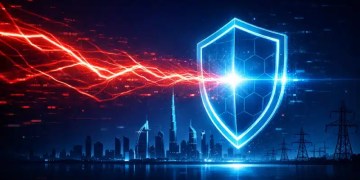






Poland narrowly avoided a nationwide power outage at the end of December after what senior officials have described as the most serious cyberattack on its energy infrastructure in years. The Poland cyberattack occurred during a period of severe winter weather, further complicating the crisis management efforts.
In an interview on RMF FM, Minister of Digital Affairs Krzysztof Gawkowski warned that the threat was no longer hypothetical. “The digital tanks are already here,” he said, referring to the growing use of cyber tools as weapons. According to Gawkowski, the Polish cyberattack was aimed directly at cutting off electricity to citizens in the final days of December. “We were very close to a blackout,” he admitted.
The situation was particularly challenging because the attacks coincided with harsh weather conditions, which further strained the energy system. Despite these factors, authorities managed to stabilize the network before power supplies were interrupted on a large scale.
Russian Sabotage and the Scale of the Poland Cyberattack
Krzysztof Gawkowski noted that the government views the incident as a deliberate sabotage rather than a random hacking attempt. “Everything suggests that we are dealing with Russian sabotage—because it has to be called by its name—which was intended to destabilize the situation in Poland,” he said during the RMF FM broadcast. He described the operation as the largest cyberattack on Poland’s energy infrastructure in years, with a clear objective of triggering a blackout.
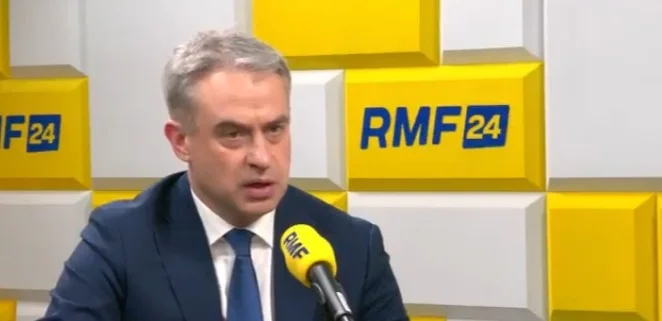
While stressing over the seriousness of the Poland cyberattack, Gawkowski also sought to reassure the public. “There is no need to panic,” he said, adding that state institutions were well prepared to respond and had acted effectively to prevent the worst-case scenario.
Additional details were provided earlier by Energy Minister Miłosz Motyka, who said that hackers attempted to breach multiple electricity-producing facilities across the country. The targets included one combined heat and power plant as well as numerous individual renewable energy sources. Motyka described the incident as unprecedented in its coordination.

“We have not experienced an attack like this before,” he said. “For the first time, various locations were targeted simultaneously.” According to the minister, the attack was successfully countered before it could cause lasting damage.
Strengthening Defenses Against Future Attacks
Motyka characterized the Poland cyberattack as “threatening” and fundamentally different from previous incidents. In response, he announced that Poland would step up investment in its energy infrastructure this year. The government plans to implement an “anti-blackout package” focused on modernization and stronger cybersecurity protections to better defend against similar attacks in the future.
The cyberattack on Poland is part of a wider trend affecting institutions and companies across the European Union. In recent years, cyber operations attributed to Russian state-sponsored actors have increasingly targeted critical infrastructure, often described as elements of hybrid warfare aimed at destabilizing the EU and disrupting Western support for Ukraine, accusations that Moscow has denied.
Poland itself has faced a series of cyber incidents in recent months. In November, several attacks disrupted digital payment services, while a separate breach led to the leaking of customer login details from a Polish travel agency.
Political Fallout Amid Rising Cyber Risks
The broader implications of the Poland cyberattack have extended into the political arena. During his RMF FM interview, Krzysztof Gawkowski was asked whether technical problems that delayed the leadership election of the Poland 2050 party could also be linked to cyber activity. The vote was not resolved on Monday “for technical reasons,” raising speculation about possible interference.
Gawkowski said he had no direct knowledge connecting the issue to the wider cyberattack on Poland but confirmed that the matter had been reported to the Internal Security Agency. “There will be a review. I’m not ruling out any scenario,” he said. He added that the party itself might have more information, noting, “The services will investigate, but what happened there? I don’t know. This is definitely a problem for Poland 2050.”
The minister also addressed other digital policy issues, including the president’s veto of a digital bill over concerns about online censorship. Gawkowski said he was willing to meet with Karol Nawrocki to discuss the legislation, describing the veto as political in nature and criticizing the narrative that content removal automatically constitutes an attack on freedom of speech.