



























A new investigation into Black Friday discounts across Europe has revealed a troubling pattern, many online deals may not be as genuine as they appear. According to findings released by the European Commission and consumer protection authorities, nearly one in three traders failed to display discounts correctly during major sale events like Black Friday and Cyber Monday.
The coordinated “sweep” examined 314 online traders across 23 EU Member States, along with Iceland and Norway. The goal was simple: check whether Black Friday discounts and pricing practices actually comply with EU consumer protection laws. The results suggest that a significant portion of online retailers are still falling short.
Black Friday Discounts Often Misleading
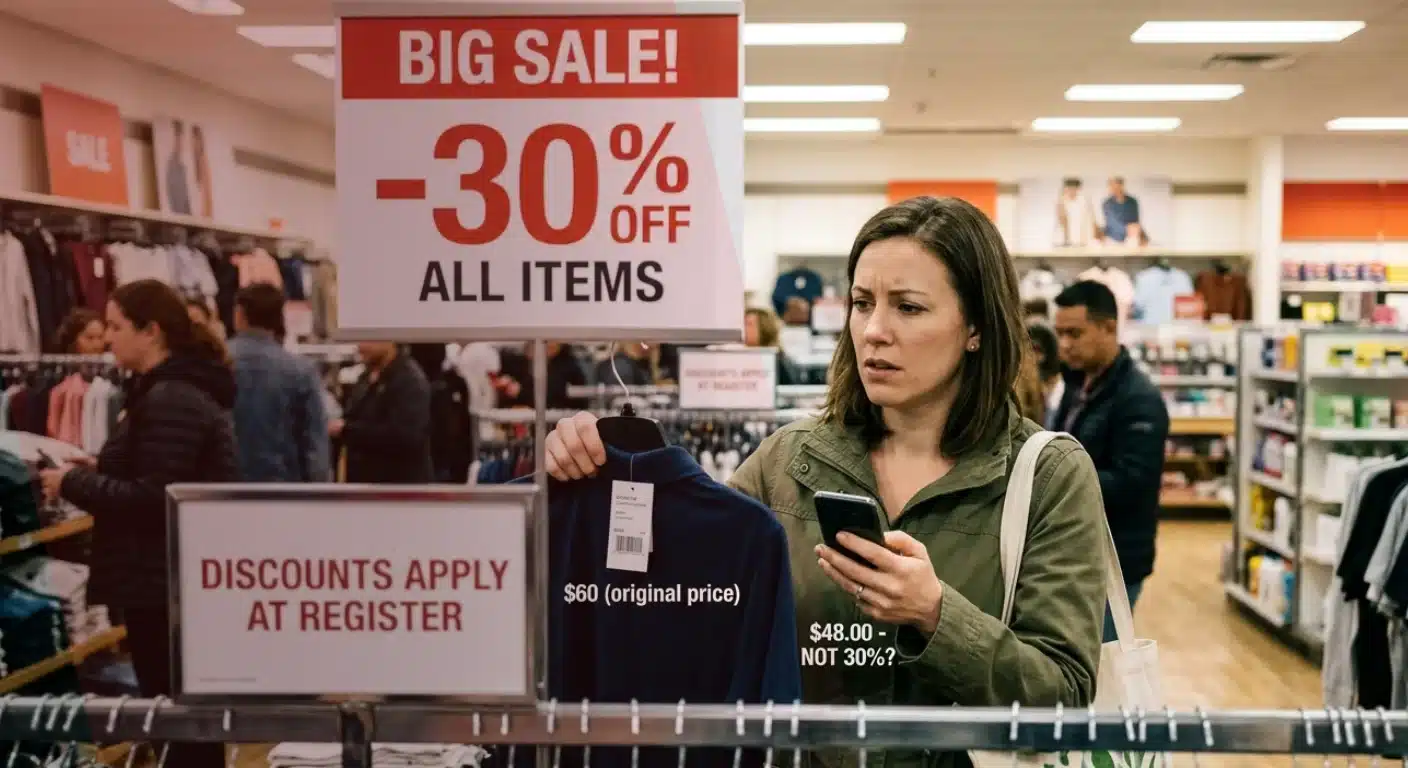
At the core of the issue is how Black Friday discounts are calculated and presented. Under EU rules, any advertised discount must be based on the lowest price a product had in the previous 30 days. However, 30% of the traders checked failed to follow this requirement.
This means that many “discounts” shoppers see may not reflect real savings, but rather inflated comparisons designed to create the illusion of a better deal.
It’s a reminder that misleading discounts remain a widespread issue, even in regulated markets.
Online Sales Tactics Raise More Concerns
Beyond incorrect Black Friday discounts, the sweep uncovered several other questionable online pricing practices.

- 36% of traders added optional items to shopping carts, often without clear consent from users
- 34% used price comparisons, but 60% of those failed to explain what those comparisons were based on
- 18% used pressure-selling tactics like fake scarcity or countdown timers, with more than half found to be misleading
- 10% used “drip pricing,” adding extra costs such as shipping fees late in the checkout process
These tactics are not just aggressive, they are illegal under EU consumer protection laws when used deceptively.
The findings show that the issue goes beyond Black Friday discounts alone. It reflects a broader pattern of how online platforms influence consumer decisions.
EU Consumer Protection Rules Put to the Test
The investigation highlights the growing importance of EU consumer protection frameworks in the digital shopping era. While regulations like the Price Indication Directive and Unfair Commercial Practices Directive are in place, enforcement remains key.
Consumer authorities across Europe can now take action against businesses found violating these rules.
The scale of the problem suggests that compliance is still inconsistent. Despite clear guidelines, many traders continue to rely on tactics that blur the line between marketing and manipulation.
Trust at the Center of the Issue
The conversation around Black Friday discounts is ultimately about trust. When consumers see a discount, they expect it to be real—not a marketing trick.
As Henna Virkkunen, Executive Vice-President for Tech Sovereignty, Security and Democracy, stated, “Black Friday and Cyber Monday offer great opportunities for both businesses and consumers. However, a great bargain is no excuse to cheat the rules. Consumers expect a fair treatment, whether they are shopping online or offline. Our sweep should act as a reminder: Businesses that treat their customers fairly always benefit.”
Echoing this, Michael McGrath, Commissioner for Democracy, Justice, the Rule of Law and Consumer Protection, said, “Trust is essential for both consumers and businesses. Misleading discounts and false ‘promotions’ undermine that trust. EU consumer protection rules strike a careful balance, ensuring a fair market that serves the interests of both businesses and consumers. This sweep gives us a comprehensive view of the market, helping us identify where further action is needed to keep it fair, transparent, and competitive. “
The findings serve as a reality check for both regulators and consumers. While Black Friday discounts continue to attract millions of shoppers, not all deals are as transparent as they seem.
For regulators, the message is clear, stronger enforcement may be needed. For consumers, it’s a reminder to look beyond flashy discounts and question how prices are presented.